


Men’s mental health is deeply influenced by society’s expectations of masculinity and strength. Many boys grow up hearing messages such as:
“A strong man is someone who carries everything on his own.”
For generations, men have been taught to be resilient, self-reliant, and emotionally controlled. They are often encouraged not to cry, not to complain, and not to show vulnerability.
While values such as responsibility, perseverance, and courage are important, problems can arise when strength is defined solely as the ability to endure pain in silence. Over time, these expectations can make it harder for men to express their emotions, seek support, and prioritize their mental well-being.
When Strength Means Carrying Everything Alone
Many men grow up believing that expressing sadness, fear, or exhaustion is a sign of weakness. As a result, they learn to keep everything inside. When they are stressed, they stay quiet; when they are hurting, they pretend they are fine. Even when life feels overwhelming, they continue showing up as if nothing is wrong.
Many men also feel pressure to be the provider, the protector, the problem-solver, or the person everyone else leans on. They become the safe place where others seek support, comfort, and guidance. Yet, in fulfilling these roles, an important question often goes unanswered: who becomes a safe place for them? For many men, there is no clear answer. They carry their struggles in silence, believing they must face them alone.
Research (Men’s Experiences of Mental Illness Stigma Across the Lifespan: A Scoping Review) suggests that traditional expectations of masculinity can make it harder for men to seek support when they are struggling. Men who participated in a qualitative study on depression described how internalized beliefs about being strong, self-reliant, and emotionally controlled often prevented them from reaching out for help, even when they were experiencing significant distress. Many feared being perceived as weak, incapable, or “less of a man” if they admitted they were struggling.
This does not mean that masculinity itself is harmful. Rather, problems arise when men feel that strength leaves no room for vulnerability, emotional expression, or asking for support. When the expectation is to handle everything alone, seeking help can begin to feel like failure instead of a healthy and courageous response to life’s challenges.
Over time, this silence can become isolating. Men may continue fulfilling their responsibilities, caring for others, and appearing capable on the outside while carrying emotional burdens that no one else can see. The result is often not the absence of pain, but the absence of a place where that pain can be shared.
Not All Struggles Are Visible

The emotional burden created by social expectations, financial pressures, work responsibilities, relationships, and life challenges is often invisible. A person may continue going to work, fulfill their responsibilities, and show up for others every day. From the outside, they may appear productive, capable, and successful, giving little indication of the struggles they carry within.
They may still smile, joke, and go about their routines as if everything is fine. Yet beneath the surface, they may be dealing with anxiety, fear, loneliness, grief, or emotional exhaustion that no one else can see. Because these struggles are often hidden, they can easily go unnoticed by those around them.
Over time, suppressing emotions can create a deep sense of isolation. When someone believes they must handle everything on their own, they may begin to feel alone even when surrounded by people who care about them. The absence of visible signs does not mean the absence of pain, it often means the struggle is happening quietly, behind the expectation to always appear strong.
The Weight We Carry Does Not Simply Disappear
Many of us are taught that if we ignore difficult emotions, they will eventually go away. We learn to push through discomfort, stay busy, and carry on with our responsibilities, believing that time alone will make the pain disappear.
However, emotions do not simply vanish because we refuse to acknowledge them. What is left unspoken or unprocessed often remains with us, quietly shaping our thoughts, behaviors, and overall well-being.
The burdens we carry in silence often find other ways to show themselves. They may appear as tightness in the chest, sleepless nights, persistent stress, unexplained anger, emotional numbness, or a deep sense of exhaustion that rest alone cannot fix. Sometimes, people do not even realize that what they are experiencing emotionally is connected to feelings they have been avoiding for months or even years.
When emotions are denied a voice, they often continue asking for our attention in different ways. This is why creating space to acknowledge, express, and process our feelings is so important. What is not expressed does not necessarily disappear, it often remains within us, waiting to be heard, understood, and met with compassion.
Maybe Strength Means Something Different
What if our definition of strength has been too narrow? For generations, strength has often been associated with endurance, self-reliance, and the ability to carry burdens without complaint. While these qualities can be valuable, they can also create the belief that a man must face every challenge on his own.
But what if a strong man is not someone who carries everything alone? What if strength is not measured by how much pain a person can hide, but by how honestly they respond to what they are feeling? Perhaps true strength leaves room for vulnerability, self-awareness, and connection.
Maybe a strong man is someone who can admit that he is tired, acknowledge his fears, and say, “I’m not okay.” Rather than carrying every burden in silence, he gives himself permission to seek support when he needs it.
In a culture that often expects men to remain strong at all times, vulnerability can feel risky. Yet choosing honesty over silence, connection over isolation, and support over suffering alone requires tremendous courage. Rather than diminishing strength, vulnerability may be one of its most powerful expressions.
Men Deserve to Be Heard Too
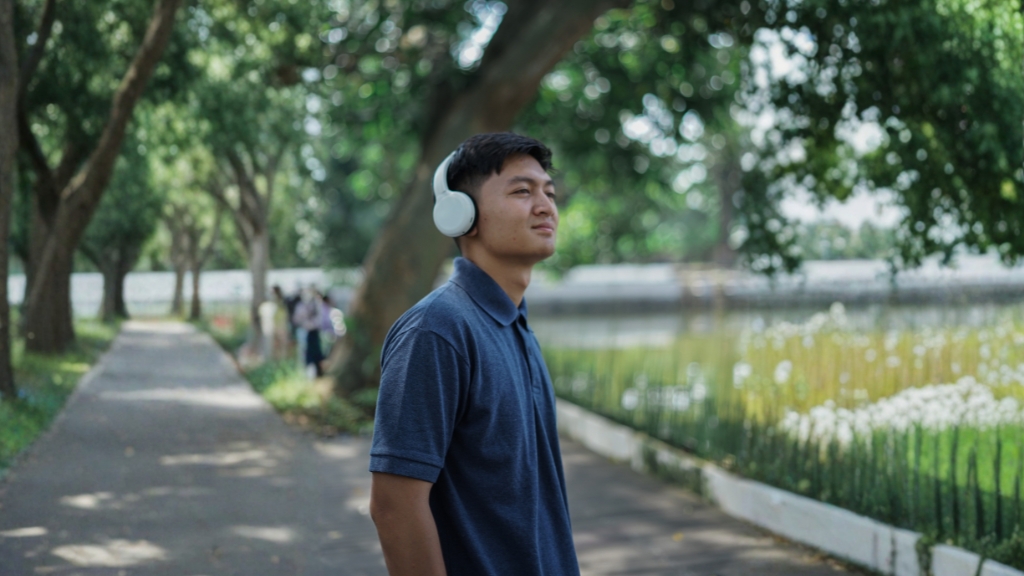
Every person needs a safe space to express what they feel and think. We all need moments where we can speak honestly about our fears, struggles, and uncertainties without feeling pressured to hide parts of ourselves. Having a space where emotions are welcomed rather than judged can make a meaningful difference in how we navigate life’s challenges.
Men are no exception. They deserve places where they can speak openly without being judged, receive support when life becomes difficult, and share their struggles without fear of being seen as weak. Yet many men grow up receiving messages that encourage them to stay silent, making it harder to reach out when support is needed most.
Creating safe spaces for men is not about treating them differently—it is about recognizing a basic human need to be heard and understood. Listening is not always about offering solutions. Often, what people need most is the reassurance that they are not alone.
Sometimes, healing begins not with advice or answers, but with the simple experience of being seen, heard, and understood by another person.
Creating Safe Spaces for Men
As part of Men’s Mental Health Month, Talk Mental Health Indonesia collaborated with Berproses di Jogja to create a safe space for men to share their stories.
That evening, ten men gathered to speak about experiences they were currently facing or had carried for years. They shared stories of pressure, loss, fear, responsibility, hope, and personal struggles that rarely found room to be spoken aloud.
There was no expectation to appear strong.
No pressure to hide emotions.
Only an invitation to show up as their authentic selves.
Because everyone including men needs a space where they can be heard.
You Do Not Have to Carry Everything Alone

If you have been feeling overwhelmed, exhausted, or burdened by things you have never shared, know that you do not have to face it all by yourself. Life can feel heavy, especially when you have been carrying your struggles in silence. Reaching out to someone you trust can be the first step toward feeling less alone.
Seeking support is not a sign of weakness. Talking about your feelings is not a failure, and asking for help does not make you less strong. In many ways, it is one of the bravest things a person can do. Sometimes, real strength begins with the words, “I’m not okay.”
Because men are human too. And every human being deserves to be heard, supported, and understood. No one should have to face life’s challenges alone, and everyone deserves a space where they can speak openly and know that they do not have to carry every burden by themselves.
That is why, at Talk Mental Health Indonesia, we continue to create safe and inclusive spaces where people can show up as they are whether they are men or women. Spaces where stories can be shared without fear of judgment, where emotions are welcomed rather than dismissed, and where people can feel seen, heard, and supported.
We believe that healing often begins with connection. Sometimes, having one person listen with empathy can make all the difference.
No one should have to carry life’s challenges alone.
Want to discover more meaningful and inspiring events from TMH.id?
Explore our community programs, workshops, and safe spaces designed to support mental well-being, personal growth, and genuine human connection. Visit our website to learn more and join our upcoming events.