


When discussing Footballers’ Mental Health, we often imagine strong athletes who seem unaffected by pressure. However, behind every football match, there are real human stories that include anxiety, grief, stress, and emotional struggle.
When we watch a football match, what we often see are victories, spectacular goals, and celebrations on the pitch. Players appear strong, disciplined, and capable of handling immense pressure in front of thousands of fans.
Yet behind the stadium lights, footballers are human too. They experience anxiety, grief, sadness, work-related stress, and mental health challenges that may not always be visible to the public.
When Footballers’ Mental Health Is Tested by Success and Pressure
Many people assume that a successful career makes life easier. However, for professional athletes, success often comes with tremendous pressure on their Footballers’ Mental Health.
Every match is watched and judged by millions. A single mistake can become the subject of public criticism. Injuries can threaten a career built over many years, while personal challenges such as family difficulties, the loss of loved ones, or uncertainty about the future still have to be faced.
In the article “7 Footballers Who Broke Silence on Mental Health Struggles,” several world-renowned footballers, including Andrés Iniesta, Danny Rose, and Tony Adams, shared their experiences of living with mental health challenges. Their stories remind us that mental health struggles do not discriminate based on status, achievements, or the number of trophies someone has won.
By speaking openly, these athletes help break the stigma that athletes must be strong all the time. Instead, they remind us that taking care of our mental health and seeking support when needed are essential parts of overall well-being—both on and off the pitch.
Marcus Rashford and the Weight of Expectations
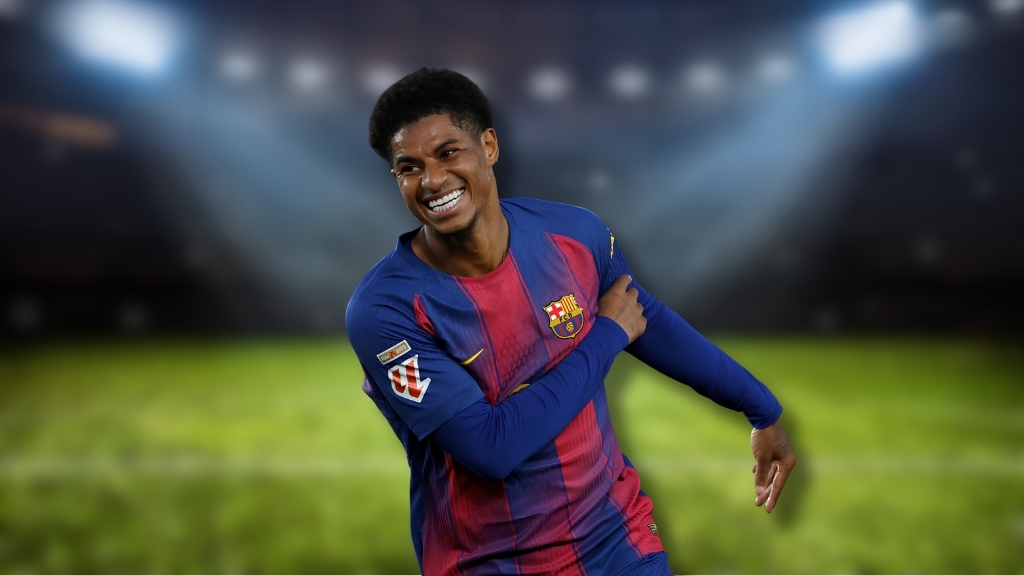
As one of England’s most recognizable footballers, Marcus Rashford has spent much of his career under intense public scrutiny, which impacts his Footballers’ Mental Health. Beyond his performances on the field, his social advocacy and personal views often attract significant media attention.
Rashford has spoken about the importance of protecting his mental well-being amid these pressures. Like many elite athletes, he faces constant expectations to perform, respond to criticism, and maintain a public image while navigating his own personal challenges.
His experience highlights that even someone who appears confident, successful, and resilient can feel emotionally exhausted. His story reminds us that not all struggles are visible. Sometimes, the people who seem to be doing well are carrying burdens that others cannot see.
Tyrone Mings and the Importance of Seeking Help

England defender Tyrone Mings has openly discussed a decline in his Footballers’ Mental Health during periods of intense competition and pressure. Despite being at the highest level of the sport, he found himself struggling with confidence, stress, and the emotional demands that come with professional football.
Rather than keeping his struggles to himself, Mings chose to seek professional support. This helped him better understand what he was experiencing and develop healthier ways of coping.
His experience serves as a powerful reminder that asking for help is not a sign of weakness. In many cases, recognizing that we need support requires tremendous courage.
Andrés Iniesta and the Pain of Loss
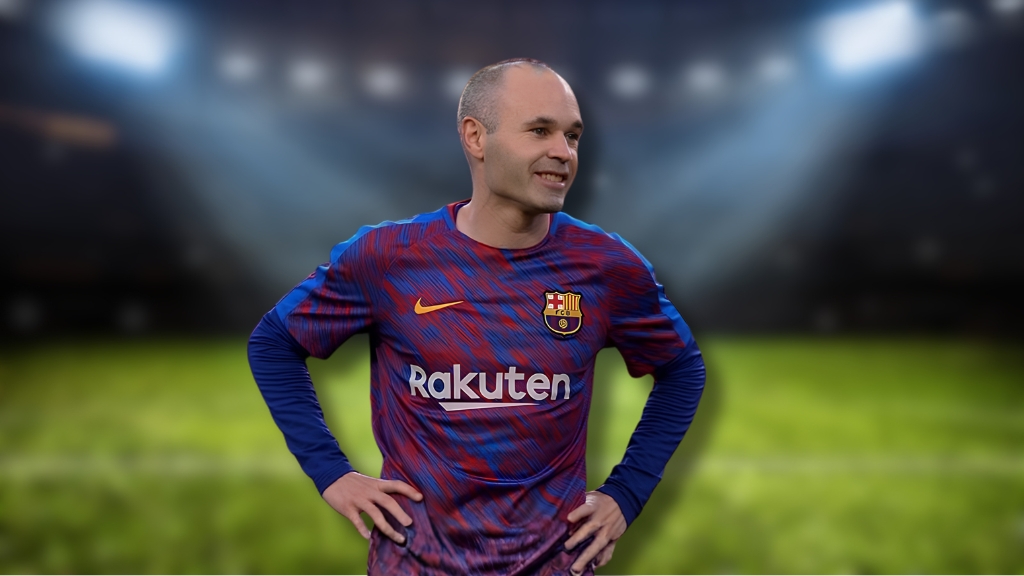
Many football fans remember Andrés Iniesta as a calm and humble figure who achieved great success. However, after the death of his close friend Dani Jarque, his Footballers’ Mental Health was deeply affected.
Iniesta has spoken openly about how grief affected him, leaving him feeling lost and struggling to find joy in everyday life. Even while winning major trophies and receiving global recognition, he was privately dealing with profound emotional pain.
His story reminds us that grief does not disappear simply because life continues moving forward. Loss can affect our mental health in deep and unexpected ways, and everyone processes it differently.
There is no fixed timeline for grieving. Each person’s journey is their own.
Tony Adams and the Journey of Recovery

Former Arsenal captain Tony Adams is known not only for his achievements on the pitch but also for his openness about his battle with alcohol addiction. For years, he struggled with challenges that affected both his personal life and professional career.
His recovery was not immediate. It involved years of challenges, setbacks, accountability, and personal growth before he was able to rebuild a healthier life.
What makes his story especially meaningful is that he later used his experience to support others facing similar struggles. Rather than hiding his past, he transformed it into a source of purpose and advocacy.
Adams reminds us that difficult chapters do not have to define the rest of our lives. Recovery takes time, but positive change is always possible.
Danny Rose and the Power of Support

Danny Rose has spoken publicly about his experience with depression, which was influenced by a combination of injuries, career pressures, and family difficulties. At a time when he was expected to continue performing at the highest level, he was also carrying significant emotional stress behind the scenes.
One of the key lessons from his story is the importance of professional support. The help he received played a significant role in his recovery and overall well-being, allowing him to better understand what he was going through and begin healing.
Not everyone has easy access to support, nor does everyone feel comfortable asking for help. This is why creating safe, non-judgmental spaces for conversation is so important. Sometimes, timely support can make a life-changing difference.
What We Learn About Footballers’ Mental Health
Although their experiences are different, these footballers share a common message: mental health is a part of being human.
Being famous does not make someone immune to depression.
Being a professional athlete does not eliminate anxiety.
Being physically strong does not mean being emotionally invulnerable.
Their stories also show that talking about mental health is not a sign of weakness. In fact, openness can help others feel understood, supported, and less alone.
Perhaps the most important lesson is that mental health challenges can affect anyone, regardless of their background, profession, or level of success. While the circumstances may differ, many of us can relate to feelings of pressure, loss, self-doubt, or emotional exhaustion. By sharing their experiences, these players help normalize conversations about mental health and encourage others to seek support when they need it.
Why Footballers’ Mental Health Matters
When athletes speak openly, they normalize conversations about Footballers’ Mental Health in society. They show that vulnerability and strength can exist together, and that seeking help is a sign of courage, not failure.
For a long time, sports culture has celebrated toughness, resilience, and the ability to “push through” difficult situations. While these qualities can be valuable, they can also make it harder for athletes and many people outside of sports to admit when they are struggling.
Stories from players like Marcus Rashford, Tyrone Mings, Andrés Iniesta, Tony Adams, and Danny Rose challenge the idea that vulnerability and strength are opposites. Instead, they show that acknowledging our struggles, seeking help, and taking care of our well-being can be acts of strength in themselves.
By speaking up, they remind us that we do not have to suffer in silence.
Creating Honest Conversations About Footballers’ Mental Health

Football is often described as a sport that brings people together. Perhaps one of the most valuable lessons we can learn from these players is the courage to be honest about what we are feeling.
Mental health is not only about diagnoses or mental illness. It is also about how we cope with pressure, loss, change, and the challenges of everyday life.
If footballers who perform in front of millions of people can begin conversations about mental health, perhaps we can start doing the same in our own lives.
With our friends.
With our families.
With our partners.
Or even with ourselves.
Because no one should have to face their struggles alone.
Want to discover more meaningful and inspiring events from TMH.id?
Explore our community programs, workshops, and safe spaces designed to support mental well-being, personal growth, and genuine human connection. Visit our website to learn more and join our upcoming events.