

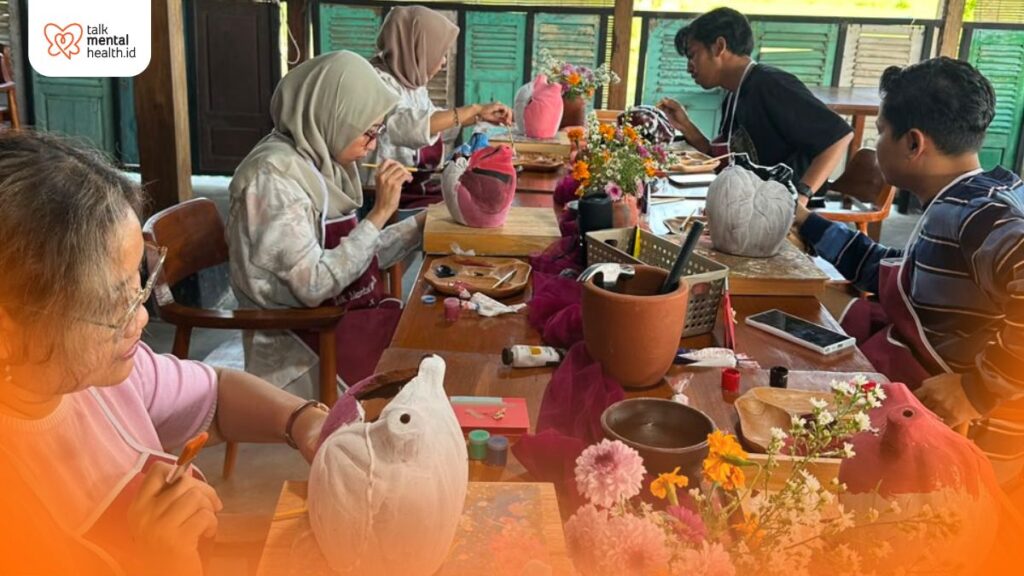
Art Therapy vs Therapeutic Art is a distinction that is often misunderstood. While both involve creative expression and can support emotional well-being, they differ significantly in their purpose, professional standards, and scope of practice. Have you ever felt calmer after drawing, painting, crafting, or simply doodling in a notebook? Many people find that creative activities help them process emotions, reduce stress, and express feelings that are difficult to put into words.
This often leads to a common question: Is every creative activity considered Art Therapy? The answer is no. Understanding Art Therapy vs Therapeutic Art is essential, as both involve the creative process but serve different purposes. Art Therapy is a professional mental health service delivered by qualified Art Therapists as part of psychological treatment, while Therapeutic Art uses creative activities to support self-expression, reflection, and overall well-being without providing clinical therapy. Recognizing the difference helps us choose the right type of support while respecting professional expertise and boundaries.
Why Can Art Support Mental Health?
Art has long been recognized as a powerful medium for self-expression, emotional processing, and personal reflection. A growing body of research suggests that engaging in creative activities can reduce stress, improve emotional regulation, strengthen self-esteem, and enhance overall psychological well-being.
Understanding Art Therapy vs Therapeutic Art is essential for anyone interested in using creativity to support mental health. Although both approaches use art as a tool for expression, they are designed for different purposes and should not be used interchangeably.
Research by Elizabeth K. Hadley (Indiana University–Purdue University Indianapolis) explains that the creative process provides a unique form of non-verbal communication, allowing individuals to express thoughts and emotions that may be difficult to articulate through words alone. The study highlights that creating art can foster self-awareness, encourage meaning-making, and support emotional exploration through images, colors, textures, and symbols. These experiences can help individuals gain new perspectives on their lives while strengthening resilience and emotional insight.
Whether through painting, journaling, sculpting, or creating ceramics, making art encourages people to slow down, stay present, and better understand their emotions, making it a valuable practice for everyday mental well-being. However, these benefits do not automatically make a creative activity a form of psychotherapy.
Understanding Art Therapy vs Therapeutic Art is essential for recognizing their different purposes and choosing the type of support that best meets individual needs.
What Is Art Therapy?
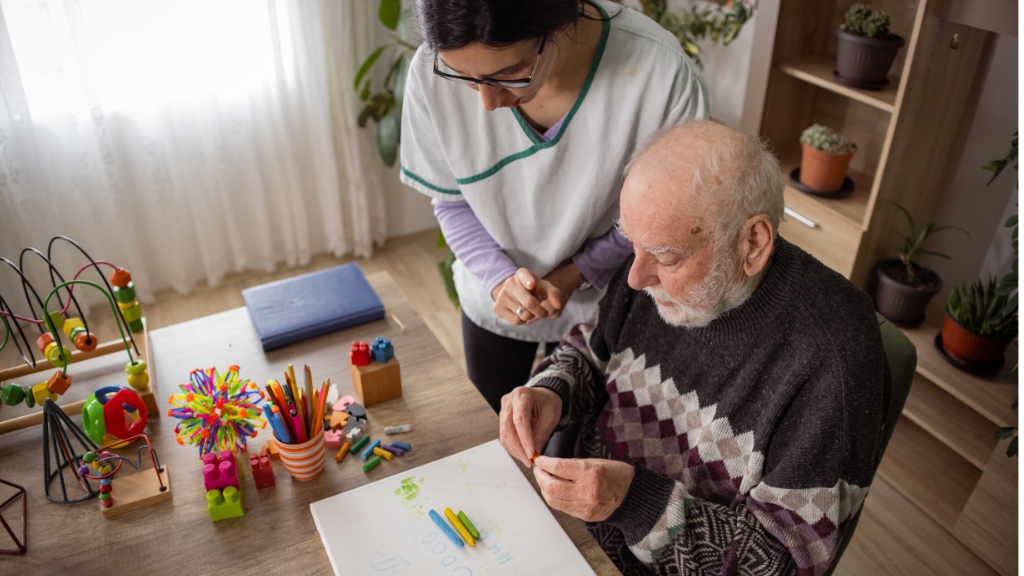
Art Therapy is a professional mental health service that integrates the creative process into psychological treatment. It is facilitated by a trained Art Therapist who has completed specialized education and clinical training in art therapy. While Art Therapy is a regulated mental health profession, understanding Art Therapy vs Therapeutic Art helps clarify why not every creative activity should be described as therapy.
In Art Therapy, the goal is not to produce beautiful artwork. Instead, the creative process serves as a therapeutic tool to help individuals explore thoughts, emotions, life experiences, trauma, relationships, and psychological challenges.
An Art Therapist may help clients:
- Explore difficult emotions in a safe environment.
- Process trauma, grief, or significant life transitions.
- Understand behavioral and relational patterns.
- Develop healthier coping strategies.
- Support psychological healing and emotional growth.
Art Therapy is commonly provided in hospitals, mental health clinics, schools, rehabilitation centers, and private practice as part of comprehensive mental health care.
What Is Therapeutic Art?
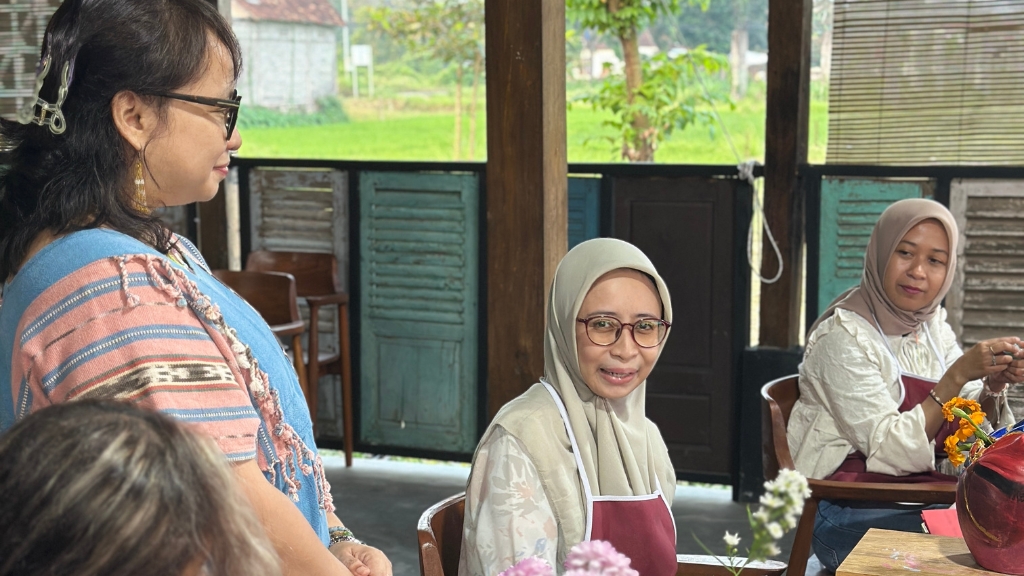
Therapeutic Art refers to creative activities that promote well-being without functioning as psychotherapy. Learning about Art Therapy vs Therapeutic Art empowers individuals to choose the approach that best aligns with their personal goals, whether they are seeking professional mental health treatment or creative support for everyday well-being.
Examples include:
- Painting
- Drawing
- Visual journaling
- Ceramics
- Collage making
- Knitting
- Other forms of creative expression
The primary purpose of Therapeutic Art is to provide opportunities for:
- Self-expression
- Personal reflection
- Mindfulness
- Stress reduction
- Emotional awareness
- Enjoyment of the creative process
Unlike Art Therapy, Therapeutic Art does not diagnose, assess, or treat mental health conditions.
These activities may be facilitated by artists, community facilitators, educators, or creative practitioners. However, it is important to recognize the boundaries of professional practice and avoid presenting Therapeutic Art as psychotherapy when it is not.
Art Therapy vs Therapeutic Art: What’s the Difference?

Art Therapy vs Therapeutic Art differs in several important ways, including their purpose, who facilitates them, and whether they are intended as clinical mental health interventions. The comparison below summarizes the key differences between Art Therapy vs Therapeutic Art, including their purpose, facilitator, focus, and role in supporting mental health.
Purpose
Art Therapy
Supports psychological assessment, treatment, and mental health recovery.
Therapeutic Art
Promotes relaxation, self-expression, reflection, and overall well-being.
Who Facilitates It?
Art Therapy
A qualified Art Therapist with specialized professional training.
Therapeutic Art
An artist, educator, or creative facilitator who provides a supportive creative experience without offering psychotherapy.
Primary Focus
Art Therapy
Uses the creative process as part of therapeutic assessment and intervention.
Therapeutic Art
Focuses on the experience of creating art and its positive impact on everyday well-being.
Can It Replace Therapy?
The answer is no. Therapeutic Art can be a valuable way to support emotional well-being, but it is not a substitute for professional mental health treatment when someone is experiencing significant psychological distress or a mental health condition.
Why Does This Distinction Matter?
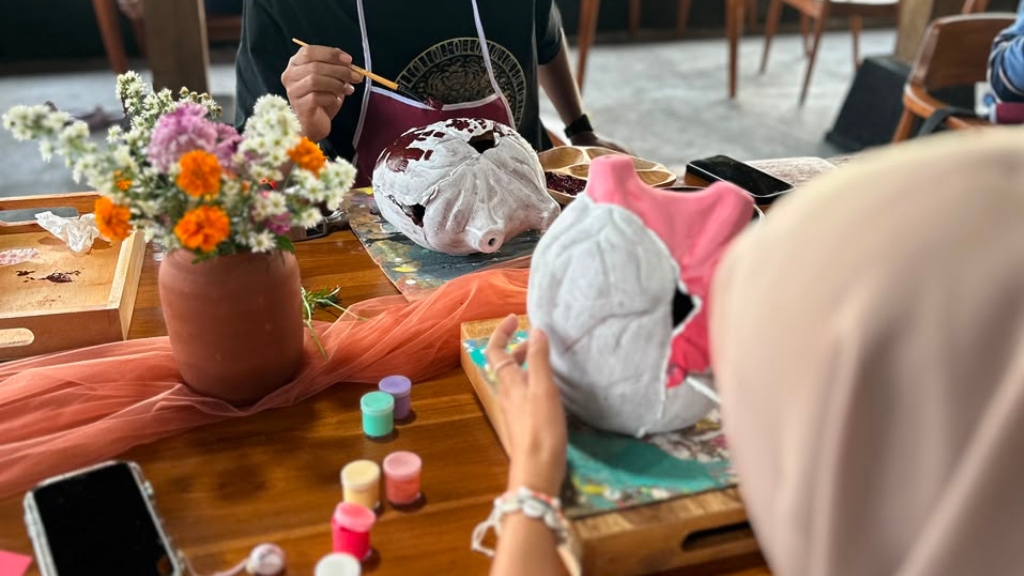
As conversations about mental health become more common, creative workshops are increasingly described as opportunities for “healing.” This growing awareness is encouraging because it highlights the importance of emotional well-being.
However, the word “therapy” carries professional and ethical responsibilities.
When every creative activity is labeled as therapy, people may develop unrealistic expectations about what those activities can provide. Understanding the distinction helps us:
- Choose the support that best fits our needs.
- Respect the expertise of Art Therapists.
- Maintain ethical standards in mental health programming.
- Ensure that individuals receive appropriate professional care when needed.
Art can certainly be a safe space but not every safe space is therapy. Recognizing the difference between Art Therapy vs Therapeutic Art allows individuals to choose the type of creative support that best fits their emotional and mental health needs.
Discover Project Rekah: A Therapeutic Art Experience Through Ceramics
At Talk Mental Health Indonesia, we believe that creativity can become a meaningful pathway toward reconnecting with ourselves.
Through Project Rekah, participants are invited to explore ceramics as a medium for:
- Slowing down from daily routines.
- Practicing mindfulness.
- Expressing emotions without judgment.
- Reflecting on personal experiences.
- Finding meaning through the creative process.
Project Rekah is designed as a Therapeutic Art program not Art Therapy. Our goal is not to provide psychotherapy, but to create a supportive, reflective, and emotionally safe space where participants can experience the restorative benefits of making art.
No previous ceramics experience is required, and there is no “right” or “wrong” artwork or expectation of perfection. Instead, the focus is on the creative process giving yourself permission to slow down, explore, and express your thoughts and emotions without judgment. The true value lies not in the finished piece, but in the personal journey along the way.
Join Project Rekah – Open Batch 1
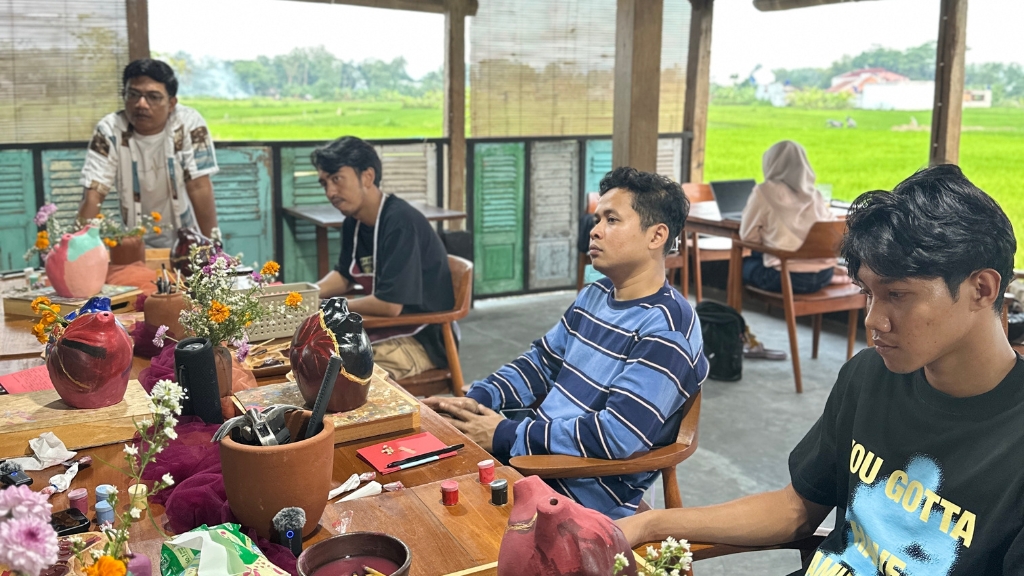
Project Rekah embraces the principles of Therapeutic Art rather than clinical treatment. Understanding Art Therapy vs Therapeutic Art helps participants recognize that the program is designed to encourage creativity, reflection, and emotional well-being not to replace psychotherapy.
If you’re curious about experiencing Therapeutic Art firsthand, we invite you to join Project Rekah.
📅 Date: Saturday, August 8, 2026
⏰ Duration: 3 hours
👥 Capacity: Limited to 8 participants
💰 Fee: IDR 250,000 per person
Together with Talk Mental Health Indonesia and Nangsib Keramik, you’ll discover that creativity isn’t about becoming an artist, it’s about giving yourself permission to pause, breathe, reflect, and reconnect with yourself.
To register or learn more, contact us via WhatsApp: +62 856-7884-4437 or visit our Instagram pages @talkmentalhealth.id and @nangsib_keramik.
If you’ve been curious about Art Therapy vs Therapeutic Art, Project Rekah offers an opportunity to experience how creative expression can support well-being in a safe and supportive environment.
Ready to Reconnect with Yourself Through Creativity?
Art has the power to help us slow down, process emotions, and reconnect with ourselves. While Art Therapy vs Therapeutic Art serve different purposes, both offer meaningful benefits for mental well-being.
Understanding Art Therapy vs Therapeutic Art helps us choose the support that best meets our needs and appreciate the unique value of each approach. Sometimes healing begins not with finding the perfect answer, but with giving ourselves permission to create.