

Sustainable living and mental health are more connected than many people realise. At Talk Mental Health Indonesia (TMH.id), we believe that mental well-being doesn’t stand alone. It is deeply interconnected with our environment, the food we eat, the communities we engage with, and the systems we rely on.

In a world where stress, anxiety, and economic instability weigh heavily on young people, it’s easy to feel powerless. But what if regaining control over our mental health could start with something as fundamental as how we live, consume, and care for our surroundings?
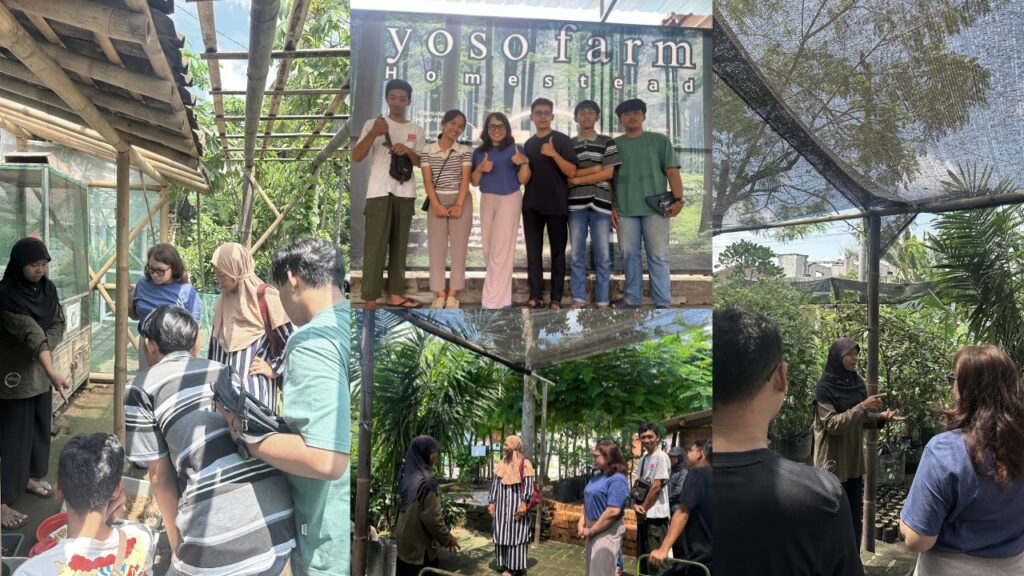
This belief led us to Yoso Farm, where sustainable living and mental well-being intersect. Through this outreach initiative, TMH.id and local youth representatives explored the power of self-sufficiency, conscious living, and resilience, not just for the environment but for our minds, too.
Here’s what we learned.
The Struggles of Young People Today
Many of the challenges young people face today are connected to a growing feeling of uncertainty and lack of control. Sustainable living and mental health offer a different perspective by reminding us that small, meaningful actions can create a sense of empowerment and stability.
In our fast-paced society, many young people feel that life is spinning out of control:
- The cost of living keeps rising, making financial security feel unattainable.
- We are overly dependent on large industries, from food production to daily essentials.
- Stress, anxiety, and burnout are becoming the norm, fueled by uncertainty.
But what if we told you that regaining control over our lives could start with something as simple as growing our own food?
A Journey to Sustainable Living: TMH.id at Yoso Farm

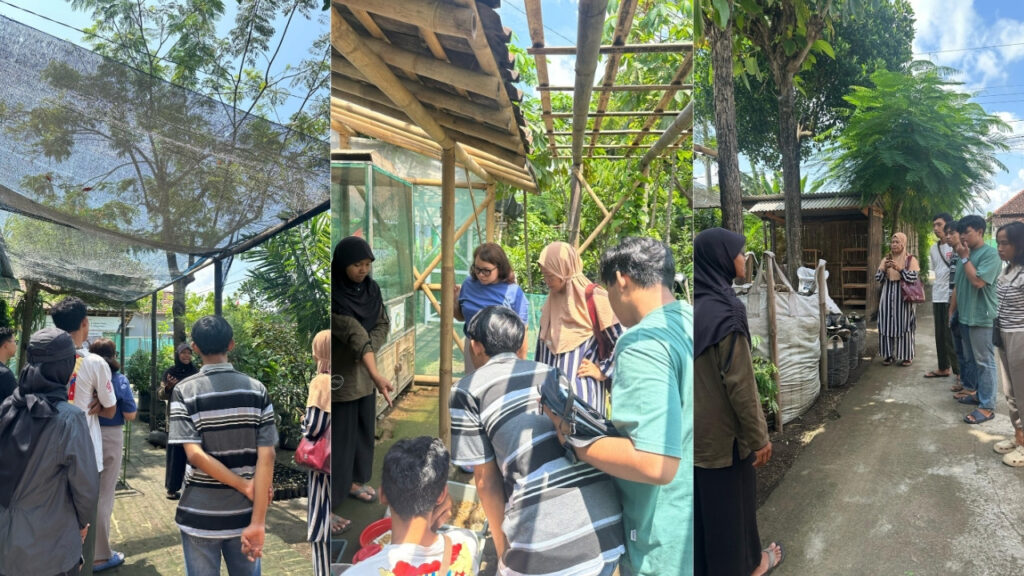
Last Saturday, March 8, 2025, Talk Mental Health Indonesia (TMH.id) and local youth from Prenggan visited Yoso Farm, a homestead that embodies conscious and self-sufficient living.
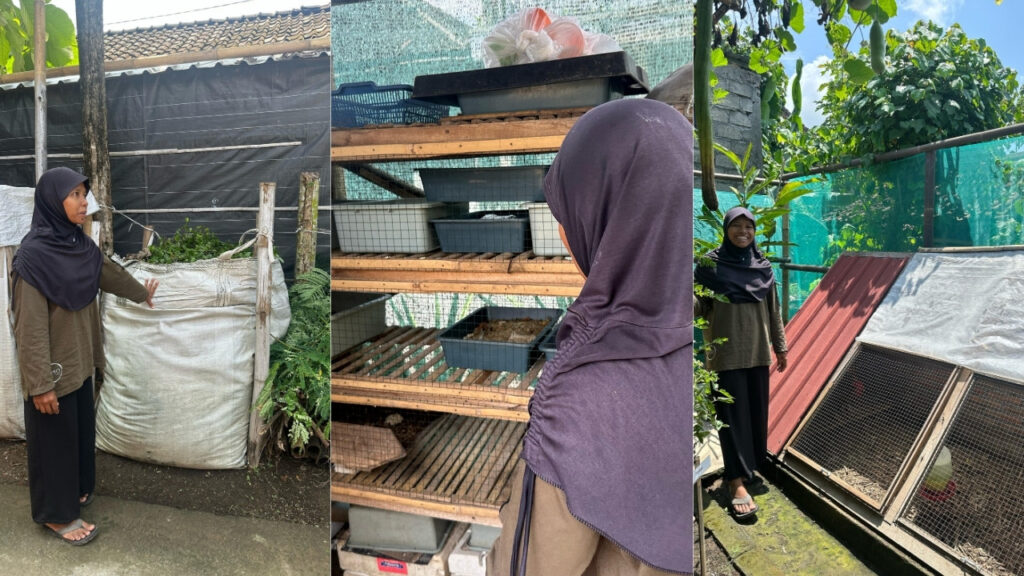
At Yoso Farm, sustainability isn’t just a buzzword, it’s a way of life. The farm operates on almost zero waste principles, utilizing:
- Maggots (Black Soldier Fly larvae) to break down organic waste and provide feed for chickens and catfish.
- Composting techniques to turn food scraps into organic fertilizer.
- Homegrown food such as air potatoes, butternut squash, local vegetables, chili, turmeric, and even mushrooms cultivated from corn cobs.
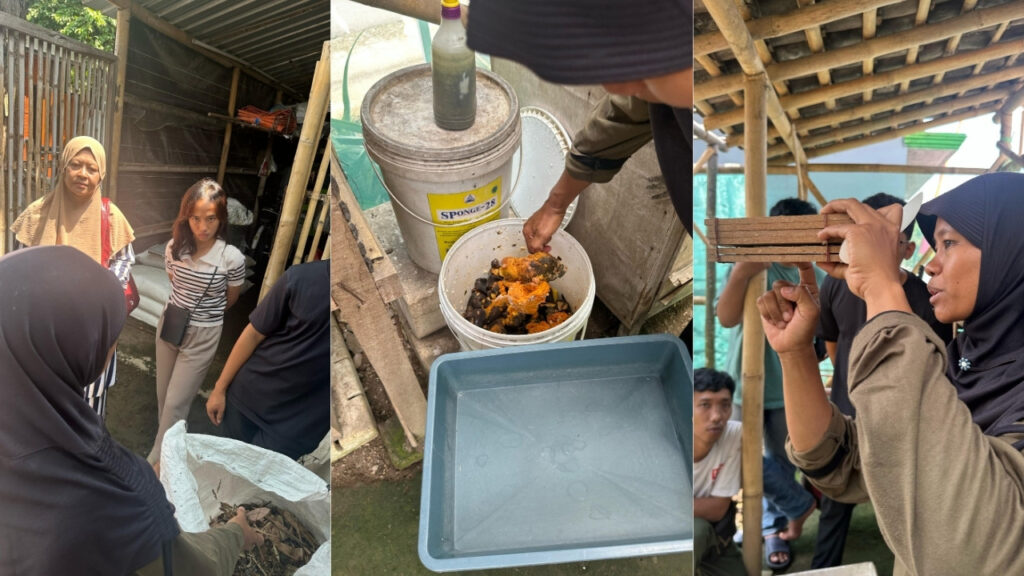
But this visit wasn’t just about farming, it was about changing our perspective on life and well-being. We saw firsthand how reconnecting with nature and practicing self-sufficiency can empower young people to feel more in control of their lives.
During our visit to Yoso Farm, we discovered that sustainable living and mental health are not separate conversations. The way we grow food, manage resources, and connect with nature can influence how we experience stress, purpose, and belonging.
Mental Health & Sustainability: The Overlooked Connection
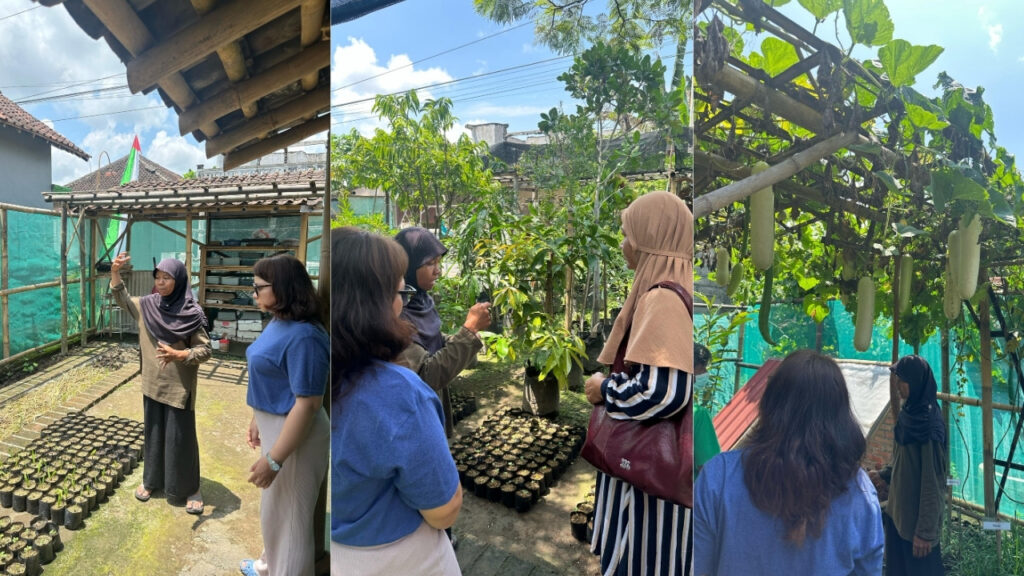

The connection between Sustainable Living and Mental Health extends far beyond environmental conservation. Growing food, reducing waste, and spending time in nature can reduce stress, increase confidence, and help young people feel more capable of facing everyday challenges. These simple practices foster resilience while encouraging healthier lifestyles and stronger communities.
Research published in International Journal of Environmental Research and Public Health highlights the important relationship between natural environments and psychological well-being. The study found that exposure to green spaces and nature-based experiences can support mental health by reducing stress, improving emotional well-being, and strengthening social connections. This research reminds us that access to nature is not only an environmental concern but also an important part of creating healthier communities.
For Sustainable Living and Mental Health, this connection shows why practices such as gardening, growing food, and caring for the environment can become meaningful tools for resilience and emotional well-being.
Many young people struggle with stress and anxiety due to financial uncertainty and a lack of control over their future. Sustainable Living and Mental Health offer a deeper solution beyond simply protecting the environment. By learning how to grow food, manage resources, and participate in community-based initiatives, young people can develop a stronger sense of agency, independence, and empowerment. These practices help shift the experience of feeling powerless into recognising that small, intentional actions can create meaningful change.
- Growing your own food fosters independence and resilience.
- Reducing reliance on big industries eases financial stress, especially in economic crises.
- Spending time in nature enhances mental well-being and reduces anxiety.
In many communities, families own land but no longer use it for farming. Instead, they rely entirely on store-bought food. When prices soar, so does their stress. But what if we could change that?
The visit to Yoso Farm inspired us to reimagine what’s possible. We saw that sustainability isn’t about making radical lifestyle changes overnight. It’s about taking small, intentional steps toward self-sufficiency and community resilience.
Through sustainable living and mental health, we can explore how everyday choices contribute to emotional resilience. Activities such as gardening, composting, and caring for living things provide opportunities for mindfulness, connection, and personal growth.
Empowering Young People for a Sustainable Future
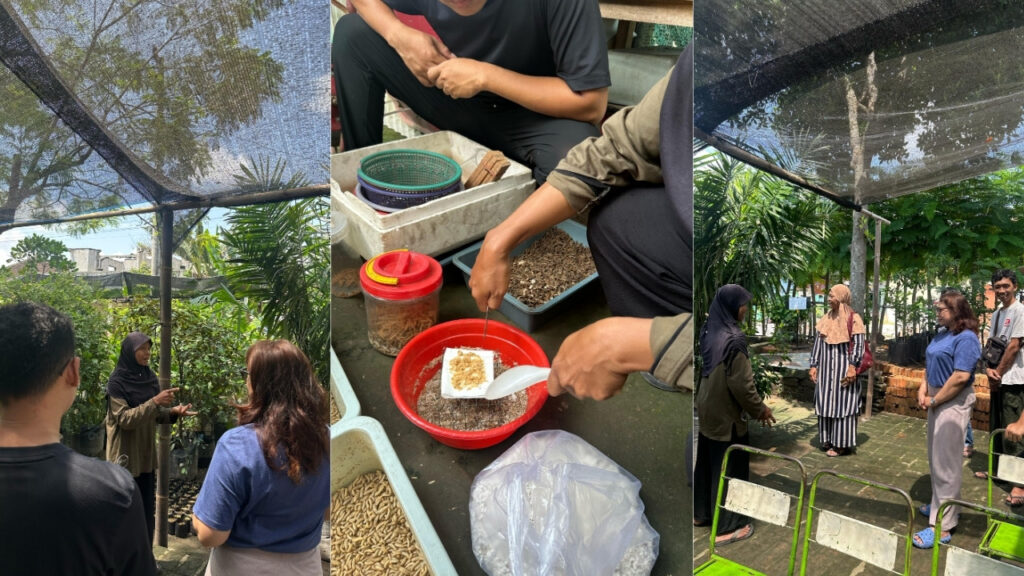

At TMH.id, we believe in small, tangible actions that empower young people to take control of their lives. This visit to Yoso Farm showed us that sustainable living isn’t just for large-scale farmers, it can start in our own homes.
- Start small: Grow your own vegetables and herbs in pots or small garden spaces.
- Manage organic waste: Turn food scraps into compost and reduce household waste.
- Consider small-scale poultry farming: Chickens can provide eggs, natural pest control, and a sustainable food source.
Imagine if more young people took simple steps toward sustainability. How much stress and anxiety could be alleviated? How much more empowered would we feel if we knew we had the skills to sustain ourselves and our communities?
Support the Movement: Help Us Grow
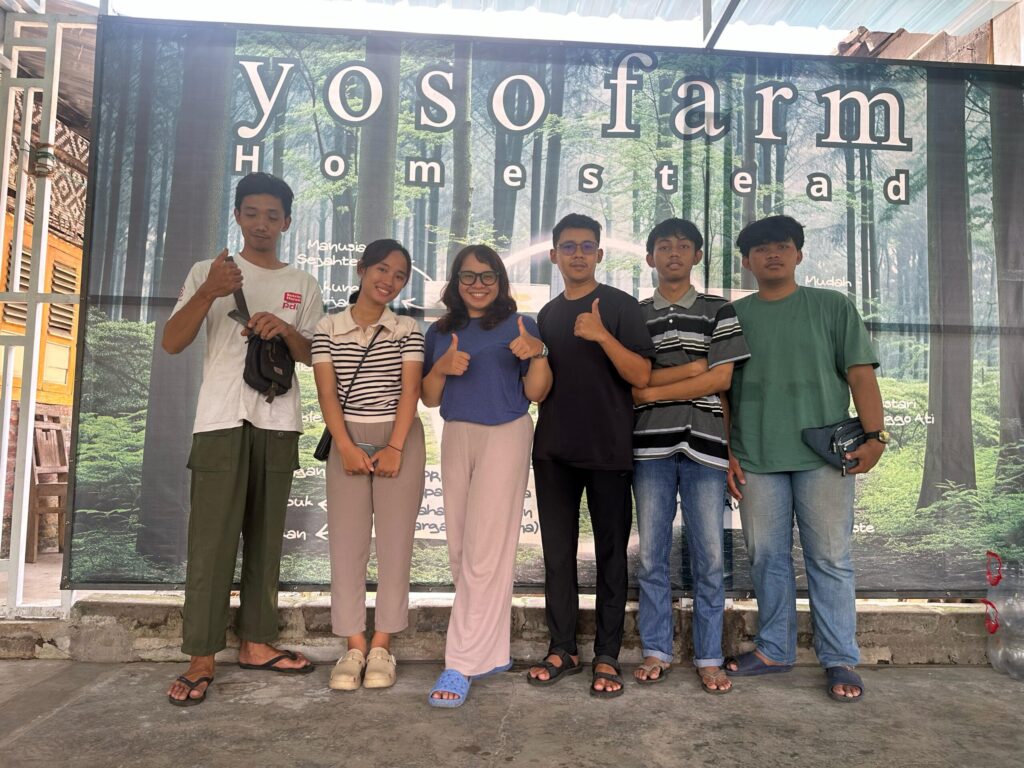
At Talk Mental Health Indonesia (TMH.id), we believe that mental health and sustainability go hand in hand. Our recent outreach to Yoso Farm showed us how conscious living, food security, and self-sufficiency can empower young people to take control of their lives.
To bring this vision to life, we are launching the TMH Community Garden—a space where young people can:
- Grow their own food and learn sustainable farming practices
- Experience the therapeutic benefits of nature for mental well-being
- Build a supportive community that fosters resilience and empowerment
But we can’t do this alone.
The journey towards sustainable living and mental health does not require major changes overnight. It begins with small steps that help individuals and communities feel more connected, capable, and prepared for future challenges.
Our experience at Yoso Farm reminds us that sustainable living and mental health are deeply interconnected. By taking small but meaningful steps towards sustainability, young people can strengthen their well-being, reduce feelings of uncertainty, and contribute to healthier communities for future generations.
Your support can help us provide seeds, tools, and workshops to make this dream a reality. Whether it’s a small donation or simply sharing our cause, every contribution helps us create a healthier, more resilient future for young people.