

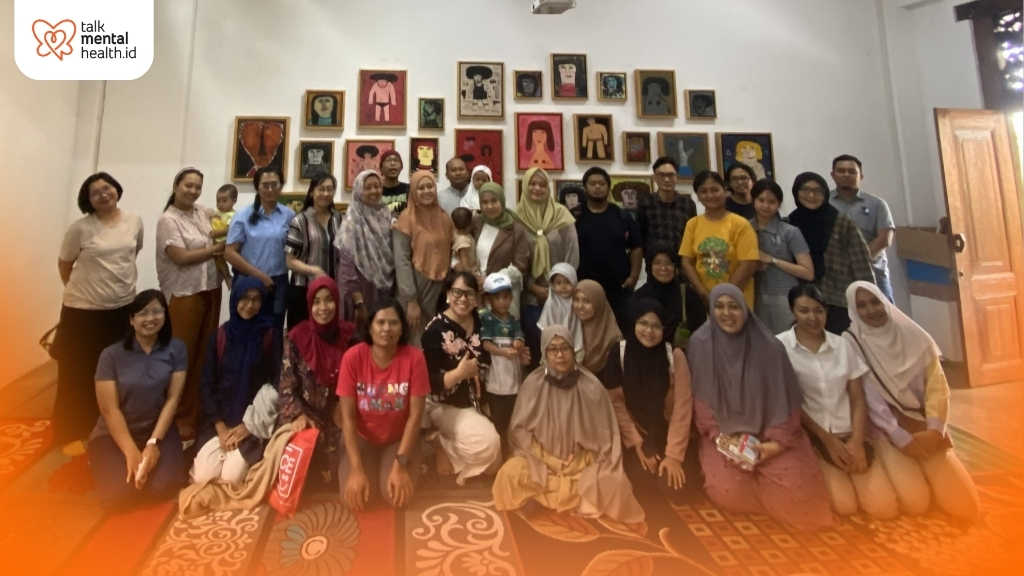
Parenting self-concept plays a crucial role in how we raise our children. How do we understand ourselves as parents, and to what extent does this self-concept shape our values and choices? Do we take on the role of a parent based on the values we truly believe in, or are we merely fulfilling societal expectations?
These questions were at the core of the “Me and Myself” Exhibition Theme Discussion organized by @talkmentalhealth.id X @ruang.imajinasi.anak in collaboration with Fransisca Wulandari (Mental Health & Self-Growth Counsellor). In this discussion, participants were encouraged to explore their self-concept as parents, recognize the values that shape them, and understand the gap between expectations and reality in parenting.
What Is Parenting Self-Concept?
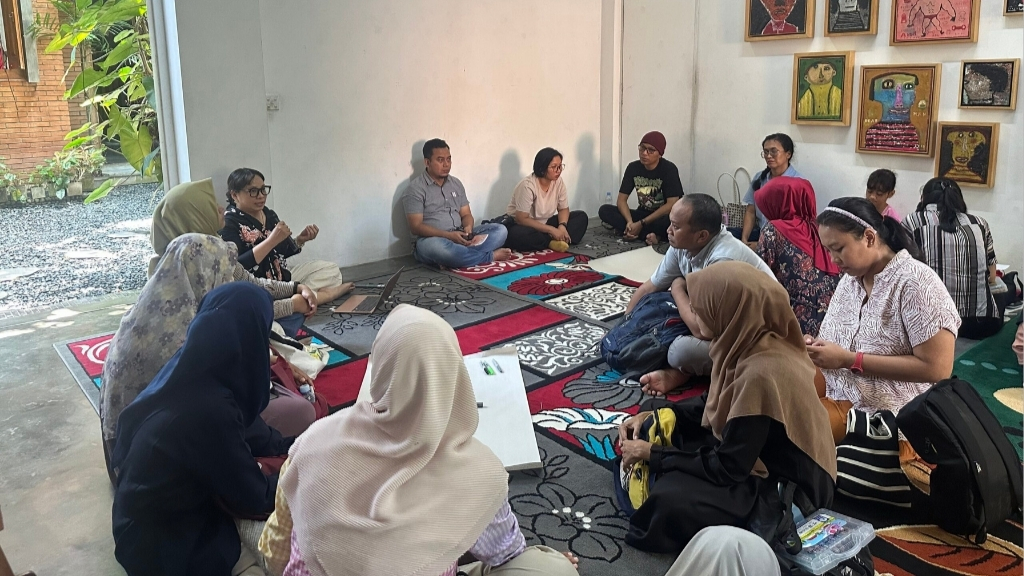
The discussion began with a brainstorming session on self-concept—what it is, why it matters, and how it influences the way we parent. Many parents focus on meeting their children’s needs without taking time to reflect on their own identity, beliefs, and values. Yet these internal factors shape how they make decisions, respond to challenges, and build relationships with their children.
Why Parenting Self-Concept Matters

Expectations (Social Standards) About Parenting

There are certain social standards in society regarding how a parent should behave. Parents are expected to be:
✔ Loving & patient
✔ Highly capable & financially independent
✔ Role models & wise figures
✔ Responsible & emotionally controlled
Reality of Being a Parent
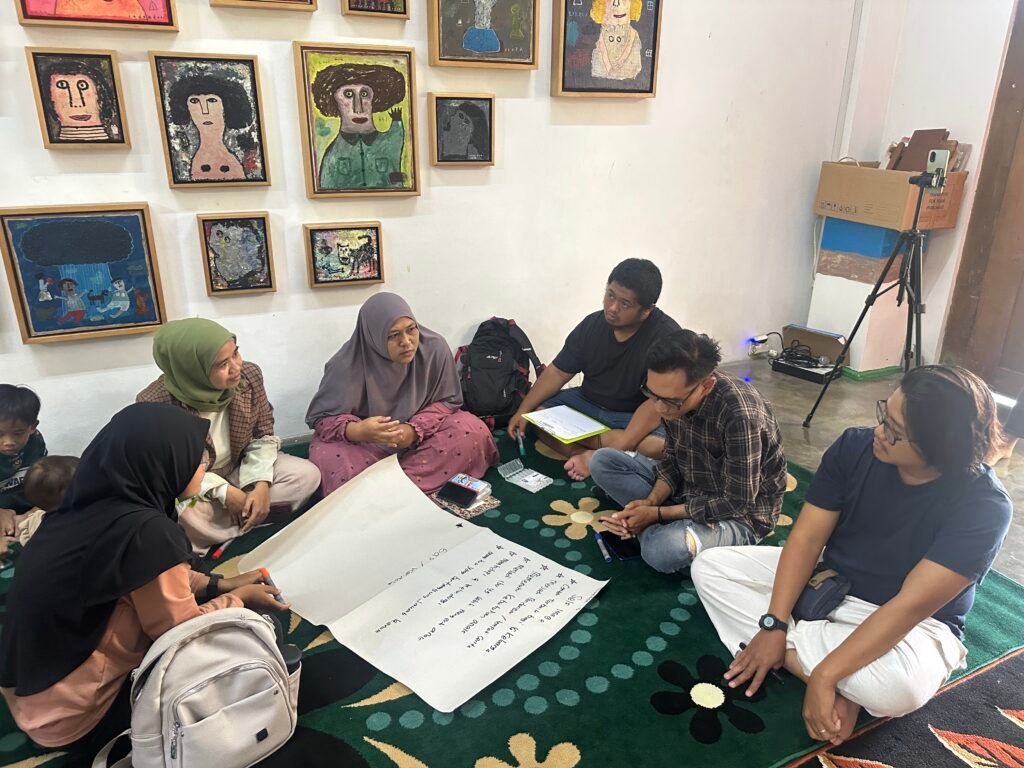
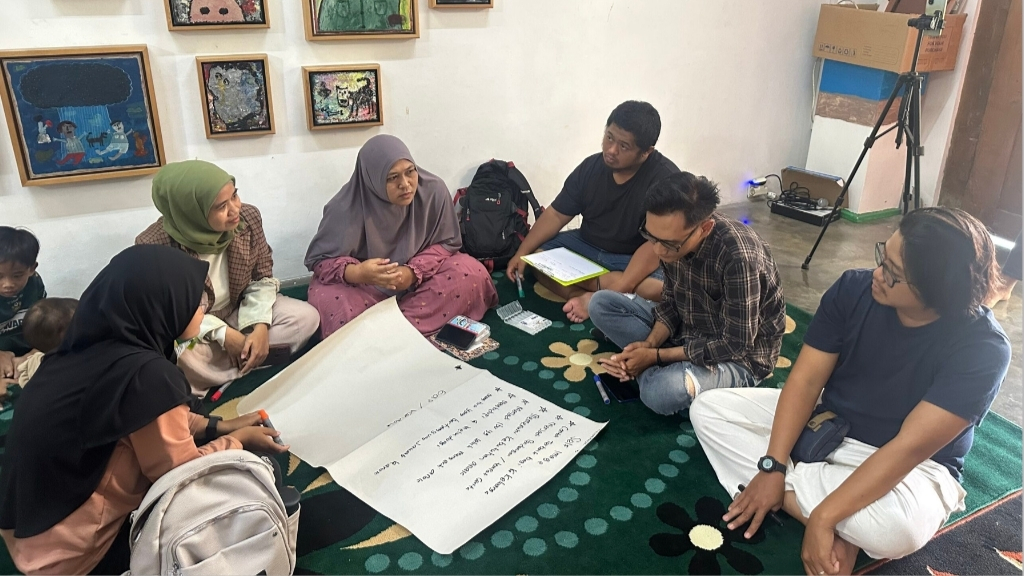
However, in reality, being a parent is not as easy as it seems. Various life challenges often leave parents feeling overwhelmed. Some common struggles in parenting include:
 Feeling easily frustrated & overprotective Carrying the heavy burden of parenting responsibilities Limited time due to work commitments Inconsistencies in parenting styles
The Gap Between Expectations and Reality

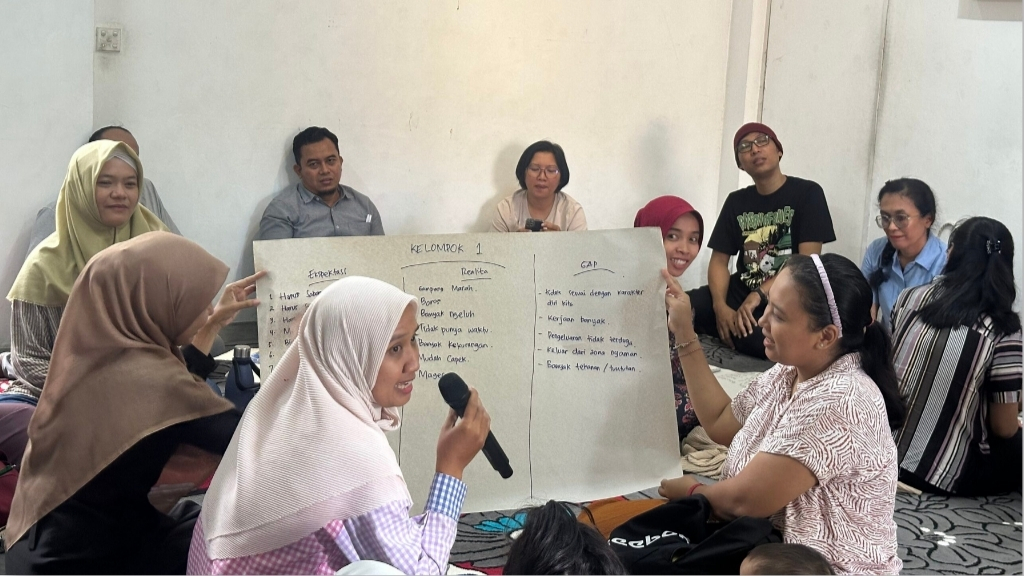
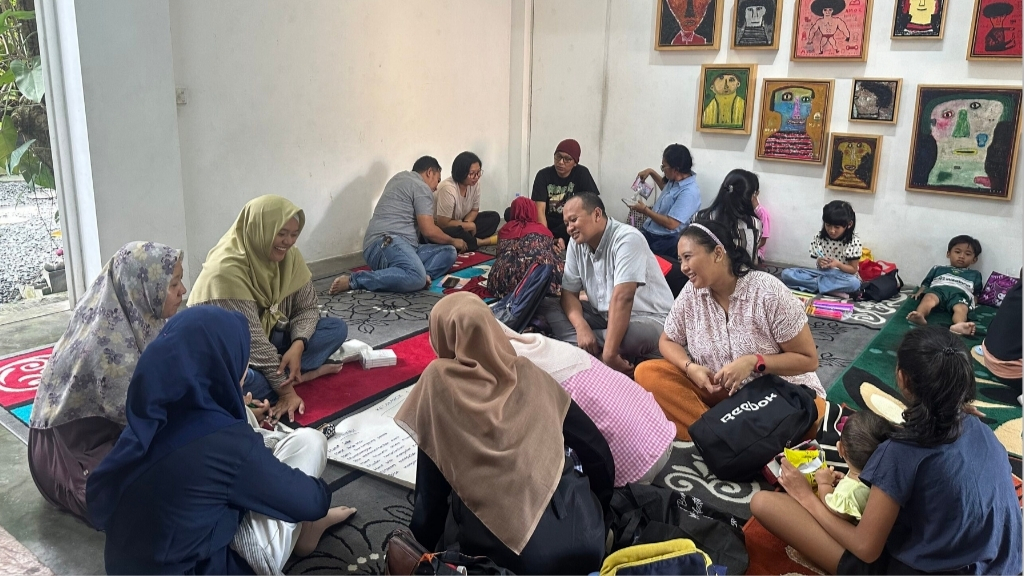
By comparing expectations with reality, participants realized that a significant gap exists. Some of the factors contributing to this gap include:
-
- Socioeconomic pressures
-
- Busy schedules limiting quality time with children
-
- Lack of self-awareness as a parent
-
- Pressure to conform to social norms
Parenting Self-Concept and Core Values
After recognizing the gap between expectations and reality, participants were guided through a self-exploration exercise. By understanding themselves better, parents could gain deeper insight into their behavior and decision-making in parenting.
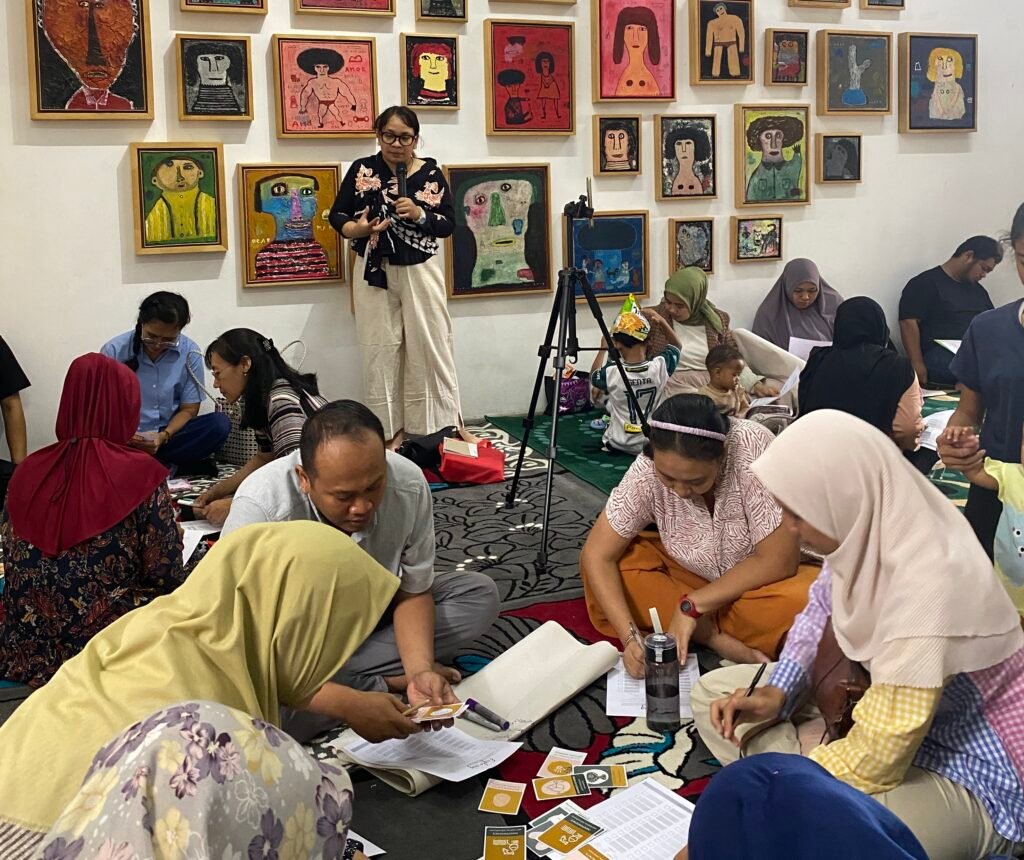
To facilitate this, the facilitator provided value cards and worksheets featuring different personal values, such as:
✔ Helpfulness (desire to assist others)
✔ Ambition (drive for achievement)
✔ Appreciation (valuing oneself and others)
✔ Curiosity (strong sense of wonder and learning)
✔ Competence (desire to feel capable and empowered)
✔ Religion (spiritual beliefs and practices)
…and many more.
This process helped participants realize that they often follow societal standards without questioning whether those standards align with their own values. By recognizing their core values, parents can navigate their role with greater awareness, authenticity, and alignment with their true selves.
Self-Reflection for Stronger Parenting Self-Concept
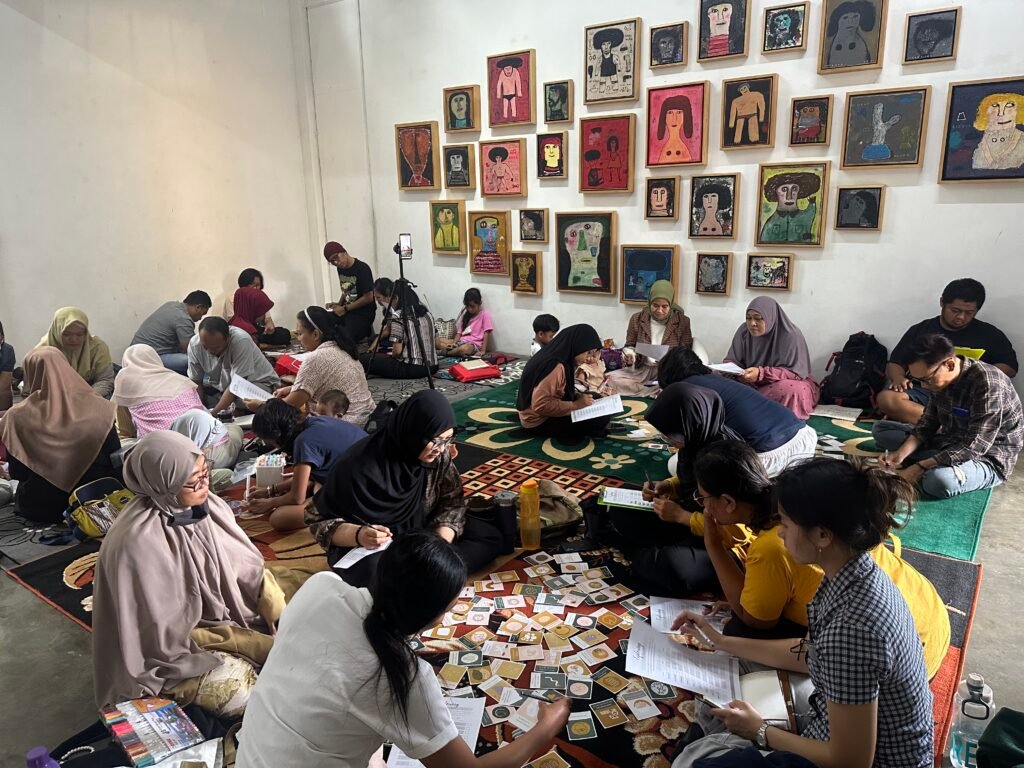
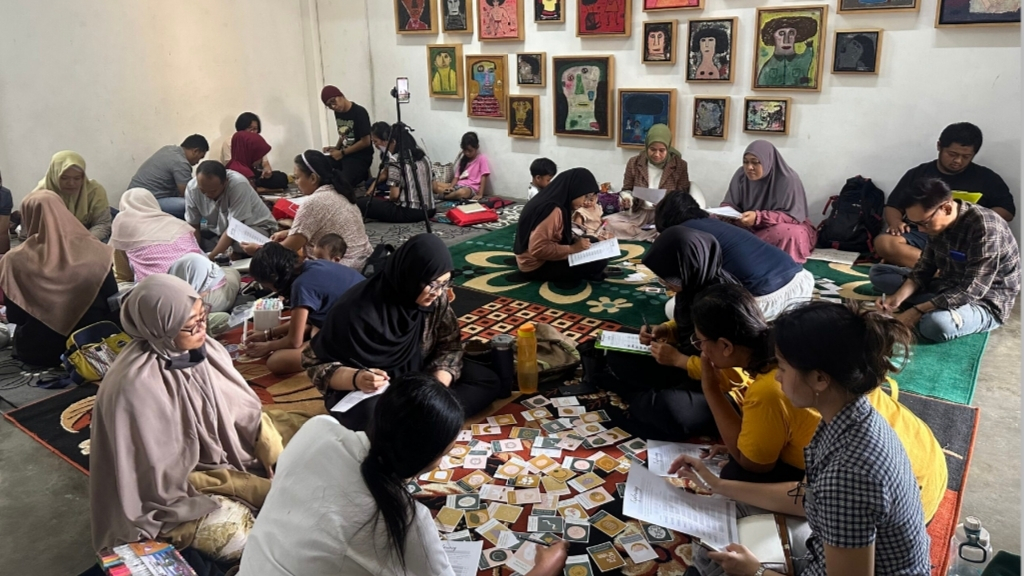
To conclude, participants were asked to create a representation of themselves: a drawing, a symbol, or a statement that reflects their self-identity. This activity aimed to help them become more aware of who they are and how they wish to grow as parents.
Additionally, they were given a final task: a deep reflection on the values they had identified. This was designed to help them evaluate their self-awareness journey and determine how they wanted to approach their parenting role moving forward.
Parenting Self-Concept Leads to Thriving Families

This workshop was not just a discussion, it was a journey of self-discovery for parents. We believe that when parents have a strong sense of self and understand their core values, they can parent more effectively and with greater fulfillment.
By developing a deeper understanding of self-concept and life purpose, parents can liberate themselves from social expectations and embrace their role with awareness and sincerity. After all, happy parents create an environment where children can grow and thrive.
Let’s watch the recap moments of this session!