


K-Drama Teach You a Lesson proves that television can be more than entertainment. While many K-Dramas focus on romance or action, K-Drama Teach You a Lesson explores important issues such as bullying, school violence, abuse of power, and mental health. Through its compelling story, the series encourages viewers to reflect on trauma, empathy, healing, and the importance of creating safe and supportive communities.
Disclaimer: This article contains no major spoilers, so you can still enjoy watching the drama.
K-Drama Teach You a Lesson: A Brief Overview
The story follows a new teacher who arrives at a school where bullying, violence, and the misuse of authority have become deeply rooted. Determined to protect vulnerable students, the teacher challenges an unfair system while holding perpetrators accountable for their actions.
Beyond its intense scenes and compelling storyline, the drama offers meaningful insights into mental health, trauma, empathy, and the importance of creating safe environments.
1. Anger Is an Emotion, Not an Identity

It is easy to label someone as “an angry person” after witnessing their outbursts or aggressive behavior. However, Teach You a Lesson reminds us that anger is an emotion not a person’s identity. In many cases, anger can be a response to unresolved pain, injustice, grief, fear, or trauma that has never been acknowledged or processed.
This does not excuse harmful behavior or remove accountability, but it does encourage us to look beyond what we see on the surface. When we separate a person’s actions from who they are, we create space for empathy while still maintaining healthy boundaries. Before rushing to judge someone’s behavior, it may be worth asking, “What might this person have been through?”
2. Childhood Experiences Continue to Shape Us
3. Not Everyone Shows Their Pain

One of the biggest misconceptions about mental health is believing that people who are struggling will always look sad or distressed. In reality, many people continue smiling, laughing, working, and fulfilling their daily responsibilities while silently carrying anxiety, depression, emotional exhaustion, or overwhelming stress.
Teach You a Lesson reminds us that appearances rarely tell the whole story. Just because someone seems “fine” does not mean they are not fighting an invisible battle. This is why kindness, compassion, and checking in with those around us matter more than we often realize.
4. One Caring Person Can Change Someone’s Life
Throughout K-Drama Teach You a Lesson, we are reminded that healing does not always begin with grand gestures or perfect solutions. Sometimes, the greatest difference comes from having just one person who listens without judgment. Whether it is a teacher, a friend, a sibling, a parent, or another trusted adult, becoming a safe person can help someone feel seen, heard, and less alone.
One of the most meaningful lessons in K-Drama Teach You a Lesson is that support does not have to be complicated. A simple question like, “How are you really doing?” can be the first step toward hope and healing. These small acts of kindness remind us that meaningful change often begins with genuine human connection.
5. Mental Health Is a Shared Responsibility
One of the most powerful messages in K-Drama Teach You a Lesson is that mental health is not solely an individual’s responsibility. While personal resilience matters, our schools, families, workplaces, and communities also play a vital role in creating environments where people feel safe, respected, and supported.
Throughout K-Drama Teach You a Lesson, we are reminded that preventing bullying, challenging harmful systems, and fostering empathy require collective action. By creating spaces where people feel valued, heard, and protected, we can promote better mental health and build stronger communities. As K-Drama Teach You a Lesson reminds us, mental health is truly a team effort.
What Can We Learn From K-Drama Teach You a Lesson?
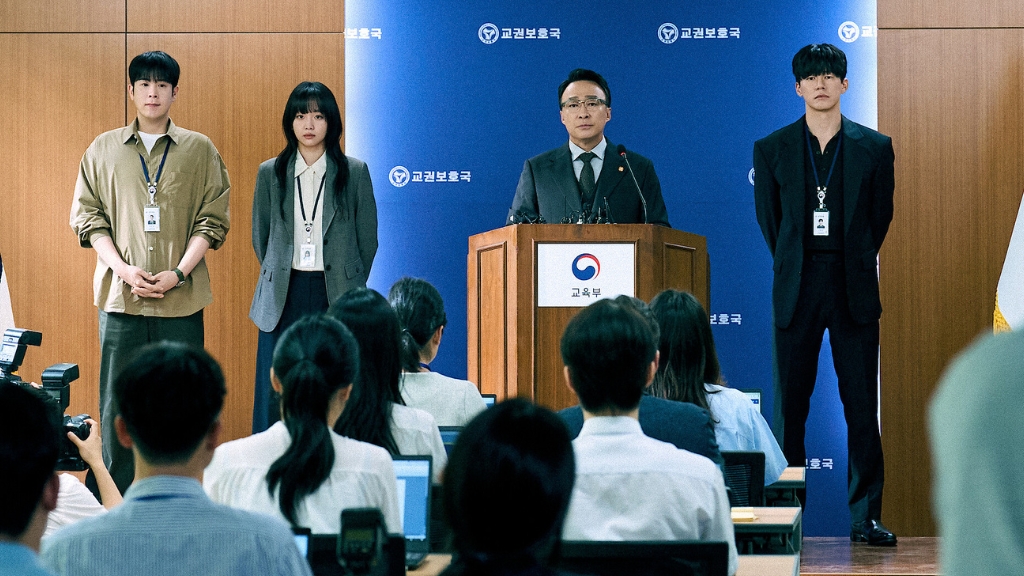
At its core, K-Drama Teach You a Lesson reminds us that behind every action is often a story we have yet to hear. Through its portrayal of bullying, violence, and abuse of power, the series encourages us to look beyond people’s behaviors and consider the experiences that may have shaped them.
Understanding someone does not mean excusing harmful behavior. Accountability still matters. Instead, it means recognizing that behind anger, fear, or defensiveness may be unresolved pain or trauma that has never had the chance to heal.
This perspective encourages us to respond with empathy while maintaining healthy boundaries. K-Drama Teach You a Lesson reminds us that mental health is not just about treating symptoms—it is about understanding people’s stories, creating supportive environments, and helping others feel seen, heard, and safe.
Perhaps the greatest lesson from K-Drama Teach You a Lesson is this: when we choose compassion over assumptions, we create more opportunities for understanding, healing, and meaningful change.
Beyond the Screen: Bringing the Lessons into Real Life

Behind every action is often a story we have yet to hear. Understanding someone does not mean excusing harmful behavior; it means recognizing that people are more than their mistakes or emotional reactions. By approaching others with empathy while maintaining healthy boundaries, we can help create safer, kinder, and more compassionate communities—at school, at home, at work, and in everyday life.
These lessons do not have to end when the credits roll. They encourage us to listen more deeply, challenge stigma, and create spaces where people feel seen, heard, and supported.
Join the Conversation
Have you watched K-Drama Teach You a Lesson? Which mental health lesson resonated with you the most?
Share your thoughts in the comments below, we’d love to hear your perspective. If this article resonated with you, consider sharing it with a fellow K-Drama fan or someone who might benefit from these insights.
At Talk Mental Health Indonesia, we believe that conversations are the first step toward creating a more mentally healthy society. That’s why we organize community programs, workshops, support spaces, and reflective experiences that encourage learning, connection, and emotional well-being.
Want to continue the conversation beyond the screen? Explore our upcoming events and community initiatives on our website, and join us in building a future where mental health is understood, stigma is reduced, and no one has to navigate their struggles alone.