

A daycare child should always be surrounded by safety, care, and protection. Yet in some cases, a place that is meant to provide safety can instead become, for many children, a space associated with fear and distress.
What happened in a daycare setting reminds us that harm does not always occur in places we expect. Sometimes, it happens in spaces that are built on trust—spaces where children are meant to be protected, and where parents believe their children will be safe while they go about their daily lives.
This is not just a story about one place.
It is a reflection of how fragile safety can be when systems fail to protect those who are most vulnerable.
The Case in Yogyakarta
A recent case of alleged abuse at Little Aresha daycare in Yogyakarta has shocked the public. According to Detik.com, police recorded 53 children suspected to have experienced violence or inappropriate treatment out of 103 enrolled children. Investigators also stated that the number may still increase as the case develops.
The concern deepened after police raided the daycare on Friday, April 24, 2026. During the raid, officers reportedly found some children with their hands or feet tied and witnessed concerning treatment by caregivers. Police also stated that most of the suspected victims were under two years old—an age when children are still highly dependent on adults for safety, comfort, and protection.
This is not just a number.
Behind it are very young children who may not yet have the words to describe what happened, and parents who are now trying to process something they never imagined.
When Safety Is Broken
Daycare spaces are built on trust.
Parents entrust not only their children, but also their sense of safety, hope, and belief that their child will be cared for.
When that trust is broken, what collapses is not only a system but also a fundamental sense of security.
For a child, this can be deeply confusing: a place that was supposed to feel safe becomes a source of fear.
Why Daycare Child Safety Matters

A daycare child spends a significant part of their early life in the care of others. At this stage, children are still developing their sense of safety, trust, and connection to the world around them.
Because of this, daycare is not just a place for supervision—it is part of a child’s emotional and psychological environment.
When a daycare child experiences consistent care, warmth, and protection, it helps build a foundation of trust, emotional regulation, and healthy development.
But when that sense of safety is disrupted, the impact can go deeper than what is immediately visible.
For many young children, daycare is one of their first experiences of being away from their primary caregivers. It is where they begin to learn:
Is the world safe?
Can I trust the adults around me?
Will my needs be responded to?
This is why daycare child safety matters.
Because what children experience in these early spaces does not just stay in the moment, it shapes how they feel, relate, and respond to the world as they grow.
The Parent’s Perspective: Love Entangled with Guilt
In situations like this, many parents may find themselves asking:
“Why did I leave my child there?”
“Why didn’t I notice sooner?”
“I should have known…”
The weight of guilt can feel overwhelming.
But it is important to remember:
guilt does not always mean responsibility.
The primary responsibility lies with the perpetrators and the systems that failed to protect these children, not with parents who were trying to provide the best care they could.
The Invisible Impact on Parents
Cases like this often leave parents with complex emotional responses:
- deep guilt
- anger toward themselves or others
- a sense of betrayal
- heightened anxiety
- difficulty trusting caregiving systems again
- sadness when noticing changes in their child
Parents, too, may need space to process what they are feeling not just expectations to “stay strong.”
When Behavior Becomes the Child’s Language
Young children often do not yet have the ability to explain painful experiences through words.
But their bodies and behaviors speak.
Some signs that may appear:
- becoming more fearful or easily startled
- crying when separated from caregivers
- difficulty sleeping or frequent nightmares
- increased clinginess
- more frequent tantrums
- sudden withdrawal or silence
- regression (e.g., bedwetting, needing to be fed again)
These are not signs of being “difficult” or “overreacting.”
Often, they are the body’s way of saying: “Something doesn’t feel safe.”
Understanding ACE: How Early Experiences Shape the Body and Mind
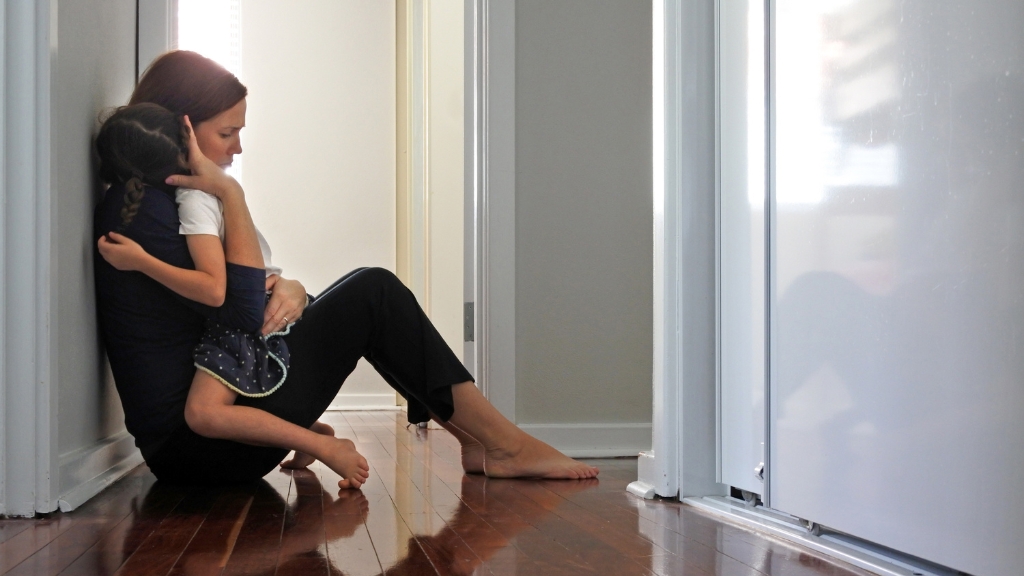
Experiences like this can be understood through the lens of Adverse Childhood Experiences (ACE).
ACE refers to harmful or stressful experiences in childhood, including abuse, neglect, violence, or growing up in an unsafe and unpredictable environment. In a 2022 review (The Impact of Adverse Childhood Experiences on Health and Development in Young Children), researcher Emily M. Webster explains that ACEs are not only connected to emotional and psychological distress, but also to long-term health and wellbeing outcomes across a person’s life.
ACE is not only about major events.
It is also about how a child experiences their world whether it feels safe, predictable, and supportive, or the opposite.
Research on ACEs shows that early adverse experiences, especially those involving fear, threat, or instability, can affect brain development, the nervous system, and a child’s stress response. The body learns from experience.
When a child is repeatedly exposed to fear or unpredictability, their nervous system may become constantly alert, known as hypervigilance, or in some cases, shut down as a form of protection.
Over time, this can influence:
- emotional regulation
- sense of safety in the world
- ability to trust adults and authority figures
- patterns in relationships
- stress responses
- mental health, including increased risk of anxiety, depression, and trauma-related difficulties
Webster’s review also highlights that ACEs often have a cumulative effect: the more adverse experiences a child is exposed to, the greater the potential risk for long-term mental and physical health challenges.
But it is important to hold this with care: ACE is not a life sentence.
The impact of ACEs can be buffered when children have protective experiences, such as at least one safe and consistent adult, a supportive environment, stable routines, and opportunities to be heard without pressure.
Because what we are working with is not only the event itself but how the body and mind store it, and how we help children experience safety again.
What Children Need After Harm
In moments like this, it can feel urgent to “fix” things quickly to ask questions, give advice, or seek explanations.
But what children often need first is something more basic: a sense of safety.
What can help:
- calm and consistent adult presence
- safe physical reassurance, such as gentle touch or hugs
- stable routines
- space to express (or not express) without pressure
- simple validation: “You are safe now.”
- professional support when needed
Healing does not begin with explanation.
It begins with experience.
With small, repeated moments that tell the child:
“You are not alone. You are safe.”
A Collective Wake-Up Call
This case is not just about one institution.
It reflects a broader system that still needs strengthening.
Child protection cannot rely on trust alone.
It must be supported by clear, accountable structures.
This includes:
- stronger daycare monitoring systems
- proper training and screening for caregivers
- clear safeguarding protocols
- accessible and safe reporting channels
- prioritizing the needs of victims and families
- public education on recognizing signs of abuse
Protecting children is not an individual responsibility alone, it is a collective one.
Healing Spaces Are Also Needed for Parents

In conversations like this, the focus is often on children and rightly so.
But parents are also carrying something heavy.
Grief, guilt, anger, fear, and the loss of trust
are all real experiences.
And often, they are processed in silence.
Through the GROW Support Group by Talk Mental Health Indonesia,
we offer a space to:
- understand grief in a broader way (including the loss of safety and trust)
- build emotional regulation
- reconnect with a sense of stability
- grow alongside others in a supportive community
Because healing is rarely about quick answers but about having a space where you can feel, be held, and not be alone.
Follow Talk Mental Health Indonesia’s Instagram (@talkmentalhealth.id) for upcoming programmes, future GROW batches, and community wellbeing initiatives.
If this feels like a space you may need, you can learn more through our Instagram and website. Detailed information about the program is available on Instagram and on the TMH.id support group page.
If you feel ready to join, you can register here: Open Call GROW Session
Because healing does not have to be done alone.