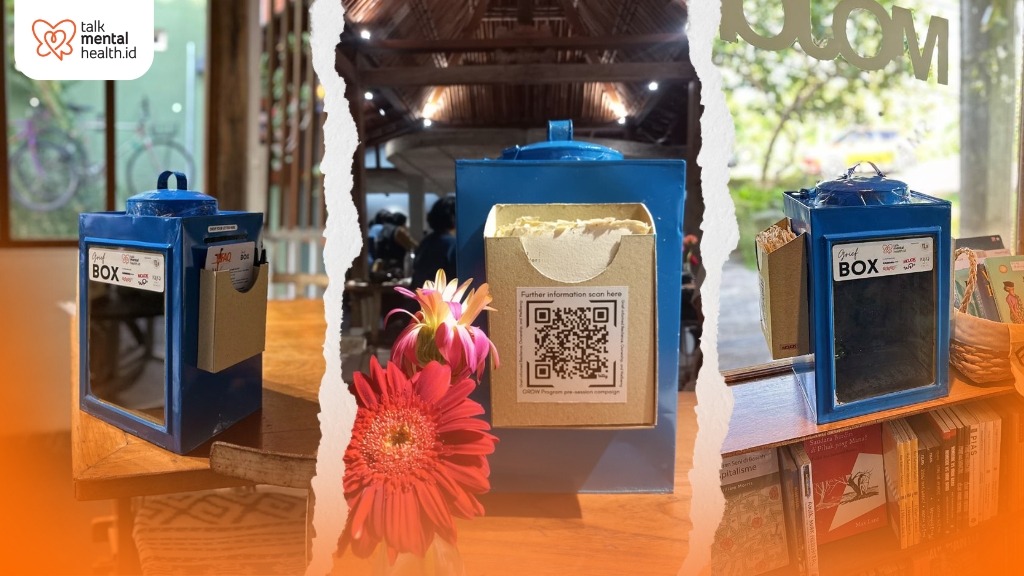
Grief is often associated with the death of a loved one. However, Grief Box Yogyakarta, an initiative by Talk Mental Health Indonesia (TMH.id), was created to recognize that grief can take many other forms. For many young people, grief can appear through the loss of safety, the end of relationships, feelings of disconnection, uncertainty about the future, changes in identity, or the quiet disappearance of dreams that once felt possible.
These experiences are deeply human, yet they often remain invisible.
In many communities, including Indonesia, there are still limited spaces where young people can openly talk about emotional struggles. Cultural expectations sometimes encourage individuals to stay strong, move on quickly, or keep difficult emotions private. As a result, many young people carry their grief silently, without opportunities to express or process what they are going through.
Recognizing this reality, Talk Mental Health Indonesia (TMH.id) created Grief Box, an initiative designed to provide a simple yet meaningful space for emotional expression.
Grief Box invites young people to pause, reflect, and write about feelings that may otherwise remain unspoken.
Understanding Grief: Why Grief Box Yogyakarta Was Created
Grief is often understood only as a response to death. In reality, grief is much broader than that. It can emerge whenever someone experiences a meaningful loss, whether that loss is visible or invisible, sudden or gradual.
For many young people, grief may come from the end of a relationship, the loss of emotional safety, changes in identity, family conflict, missed opportunities, or the fading of hopes and plans for the future. These forms of grief may not always be recognized by others, but they can still have a deep emotional impact.
This understanding is also reflected in the research article “Grief: A Brief History of Research on How Body, Mind, and Brain Adapt” by Mary-Frances O’Connor. The article explains that grief responses are complex, deeply personal, and not always linear. People may experience sadness, anger, anxiety, emotional numbness, or difficulty concentrating, and these responses can shift over time as they adapt to loss. The research also highlights that grief does not follow a single predictable pattern, which helps us understand why different people may carry and express grief in very different ways.
Because grief does not always look dramatic or obvious, many people struggle to name what they are feeling. They may describe it as emptiness, confusion, emotional heaviness, or a sense that something in their life has shifted.
Creating space to understand grief in its many forms is an important step toward emotional awareness, self-compassion, and healing.
What is the Grief Box Initiative?
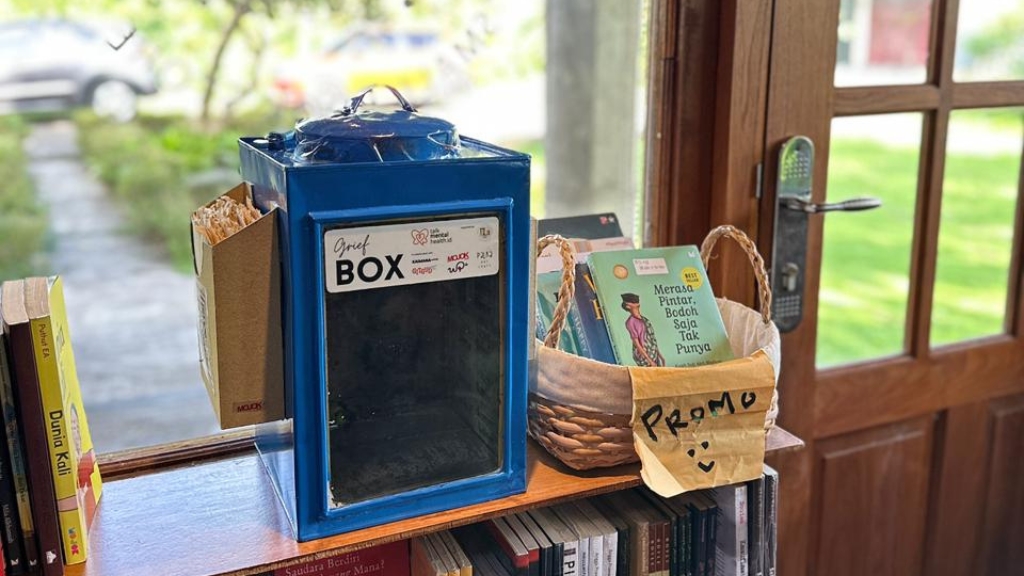
Grief Box is a community-based expression platform that allows individuals to write and share their experiences of grief anonymously.
The concept is simple. A physical box is placed in accessible public spaces where young people often gather. Visitors can take a piece of paper, write a reflection, message, or personal experience related to grief, and place it inside the box.
Participation is entirely voluntary and anonymous. There is no requirement to share personal information, and there are no expectations about how someone should write. The focus is on honesty rather than perfection.
The written reflections collected through Grief Box may include experiences such as:
- Losing a relationship or meaningful connection
- Feeling uncertain about the future
- Experiencing emotional loneliness
- Struggling with identity changes
- Processing grief that has never been expressed
- Navigating personal transitions or disappointments
Each message becomes part of a larger collective reflection about the emotional realities young people experience today.
Grief Box is also part of the pre-session campaign for the GROW Program (Grief-informed Resilience, Ownership, and Wellbeing), which will begin in April 2026. Through this initiative, personal stories of grief within the community can become a starting point for deeper healing and reflection during the program.
Why Creating Space for Grief Matters
Many young people experience emotional struggles but rarely have opportunities to speak about them openly.
In cultures where emotional expression is sometimes misunderstood or stigmatized, grief may be minimized or overlooked. Individuals might feel pressure to remain strong, to appear resilient, or to move forward without acknowledging their pain.
However, emotional well-being often begins with something much simpler: being able to recognize and express what we feel.
Grief Box was created with this principle in mind.
Rather than offering advice or solutions, the initiative focuses on creating space — a space where people can acknowledge their emotions and feel that their experiences matter.
In this way, Grief Box is not only a place to collect written reflections. It is also a quiet statement that: grief is a natural and human experience that deserves to be heard, acknowledged, and cared for.
By opening opportunities for expression, the initiative hopes to normalize conversations about emotional struggles and encourage a more compassionate understanding of grief within the community.
The Philosophy Behind the Kerupuk Tin
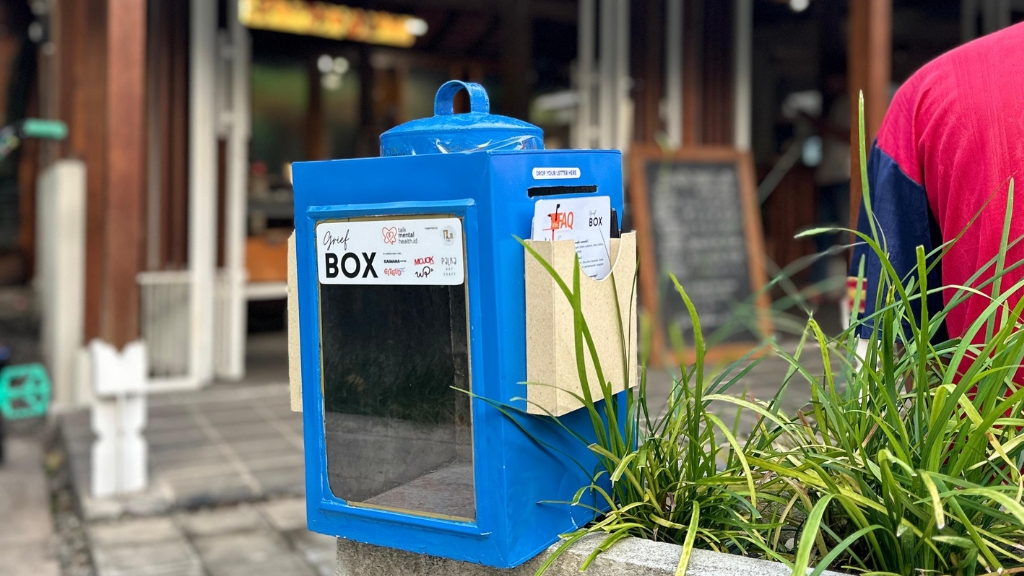
One of the most distinctive elements of Grief Box is its design, which is inspired by the traditional Indonesian kerupuk tin (blek kerupuk).
Kerupuk tins are familiar objects in everyday Indonesian life. They are commonly found in homes, small restaurants, and street food stalls. Despite their presence in daily routines, they are rarely given much attention.
This everyday object became the inspiration for Grief Box because it reflects how grief often exists in people’s lives.
Just like the kerupuk tin, grief can be present but unnoticed.
Kerupuk themselves also change depending on conditions. They can expand, become crispy, shrink, or turn soft over time. These changes resemble how grief evolves. Emotions may shift from intense to quiet, from heavy to manageable, depending on time, circumstances, and personal experiences.
Many kerupuk tins also carry the word “SABAR” (patience) printed on them. Within the context of Grief Box, this word becomes a gentle reminder that emotional healing takes time.
Grief cannot always be rushed, fixed, or neatly resolved. Sometimes the most important step is simply allowing space for emotions to exist.
By transforming the kerupuk tin into a participatory platform, Grief Box turns a familiar everyday object into a symbol of reflection, patience, and emotional acknowledgment.
Where to Find Grief Box in Yogyakarta
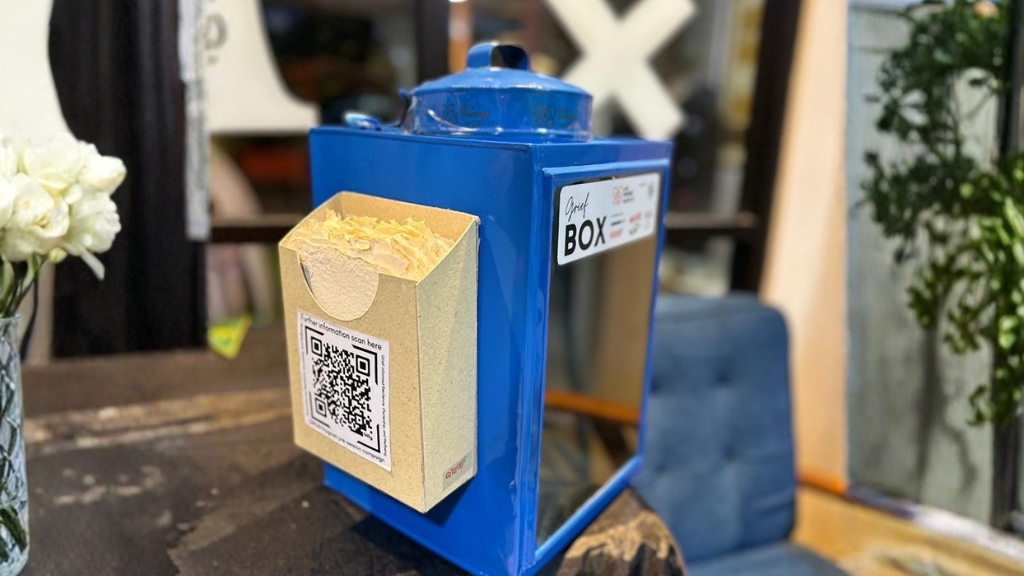
To ensure accessibility and community participation, Grief Boxes are placed in spaces where young people already feel comfortable gathering.
These locations include community hubs, cafés, bookstores, and creative spaces that are known for being welcoming and inclusive environments.
Currently, Grief Boxes can be found at several youth-friendly locations in Yogyakarta, including:
- Palka Art n Craft
- GitGud Board Game & Cafe
- Warung Pelan-Pelan
- Kaimana Coffee
- Mojok Book Store
Each location provides writing materials so visitors can easily participate.
Some locations also include a QR code that directs participants to educational resources about grief and emotional well-being, as well as information about support services for those who may need additional help.
By placing the Grief Box within everyday social spaces, the initiative aims to make emotional reflection feel approachable and accessible rather than formal or intimidating.
From Personal Stories to Collective Reflection
All messages collected through Grief Box are handled with ethical care and respect for participants’ anonymity.
The reflections will not include personal identities and will not be used for commercial purposes. Instead, selected messages may be curated using a trauma-informed approach and transformed into reflective or creative materials.
Some reflections may be featured as part of collective installations or reflective moments during the final session of the GROW Program.
Through this process, individual stories become part of a broader narrative about grief and resilience within the community.
Join the Grief Box Yogyakarta Initiative
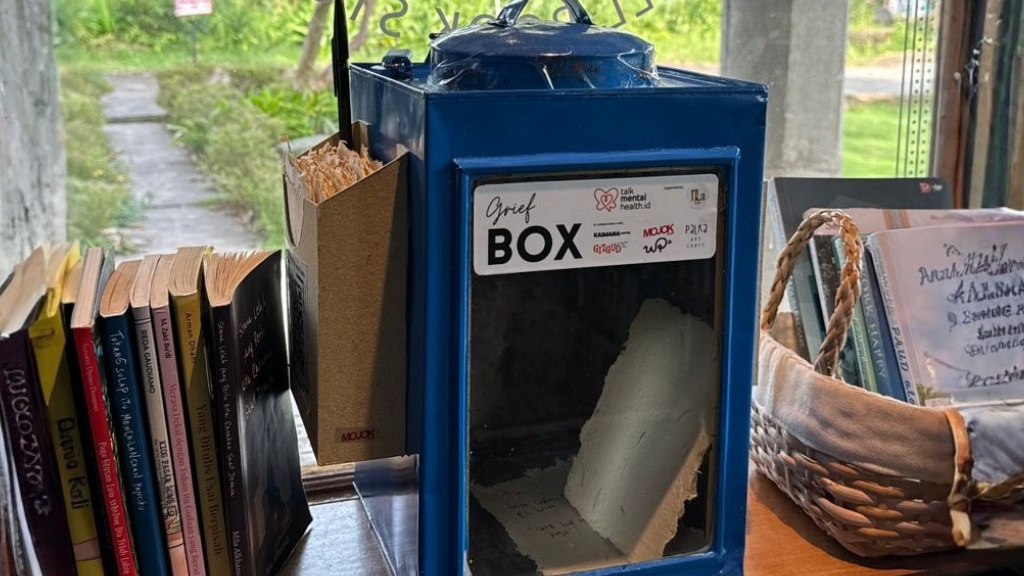
Grief Box Yogyakarta may appear simple, but its intention is deeply meaningful. It invites people to pause, acknowledge their emotions, and recognize that grief is not something that needs to be hidden.
By offering a quiet and accessible way to express difficult feelings, Talk Mental Health Indonesia hopes that Grief Box can open wider conversations about emotional well-being, grief literacy, and collective care among young people in Yogyakarta.
If you are carrying a loss, confusion, or emotional heaviness that feels difficult to express, you are warmly invited to take part in Grief Box. You can visit one of the Grief Box locations, write down what you feel, and place your reflection anonymously in the box.
Because sometimes the first step toward healing begins with something as simple as writing down what we feel.
To learn more about the initiative, its purpose, and where to find it, read about Grief Box here: TMH.id Grief Box page