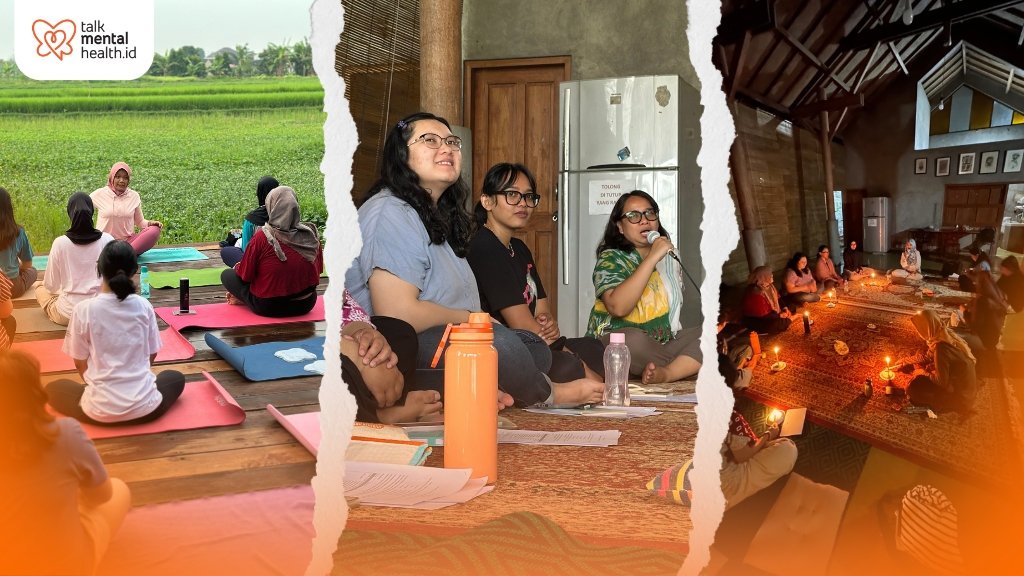
Preparation for the GROW Programme 2026
Peer Facilitator Training is not simply about preparing volunteers—it is about ensuring that grief spaces are held with skill, ethics, and responsibility. Creating a safe space for healing does not come from good intentions alone. It is built through capacity, ethical grounding, and deep self-awareness.
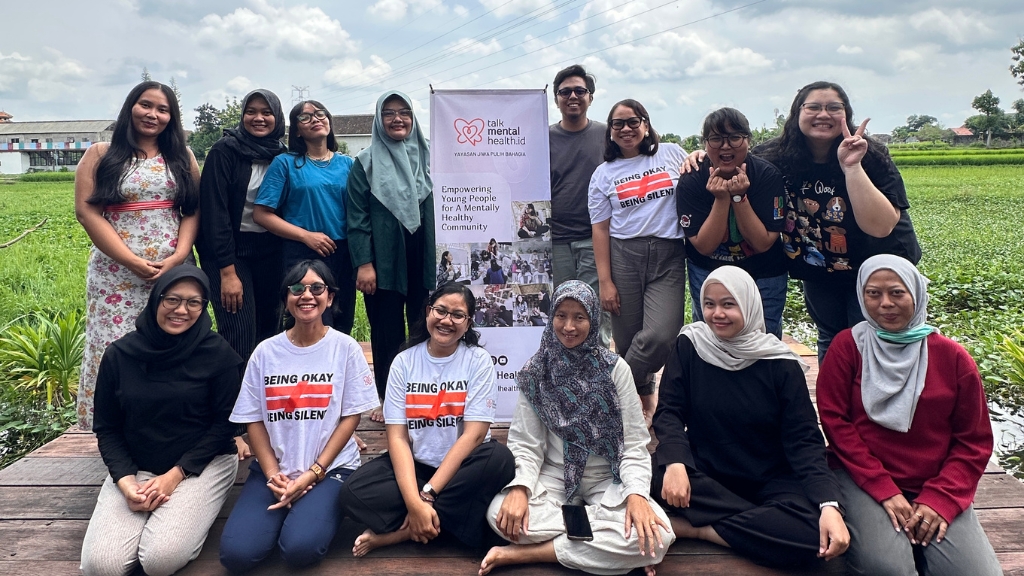
This understanding became the foundation of the Peer Facilitator Training conducted by Talk Mental Health Indonesia (TMH.id) as part of its preparation for the GROW Programme 2026. The training was designed to ensure that grief spaces within TMH.id are not merely places to release emotions, but guided, accountable, and trauma-informed spaces of care—where participants can feel held without being rushed, judged, or overwhelmed.
Why This Training Exists
Community-based mental health spaces are powerful—but they also carry responsibility.
When grief is shared in a collective space, it can surface intense emotions, memories, and bodily responses. Without clear boundaries, skills, and ethical grounding, a space intended for healing can unintentionally become unsafe—not because of bad intentions, but because of unpreparedness.
This training was created to prepare Peer Facilitators who are able to hold grief spaces with intention:
spaces that are paced, grounded, and conscious of both individual and collective wellbeing.
Why Peer Facilitator Training Is Essential in Grief-Informed Work
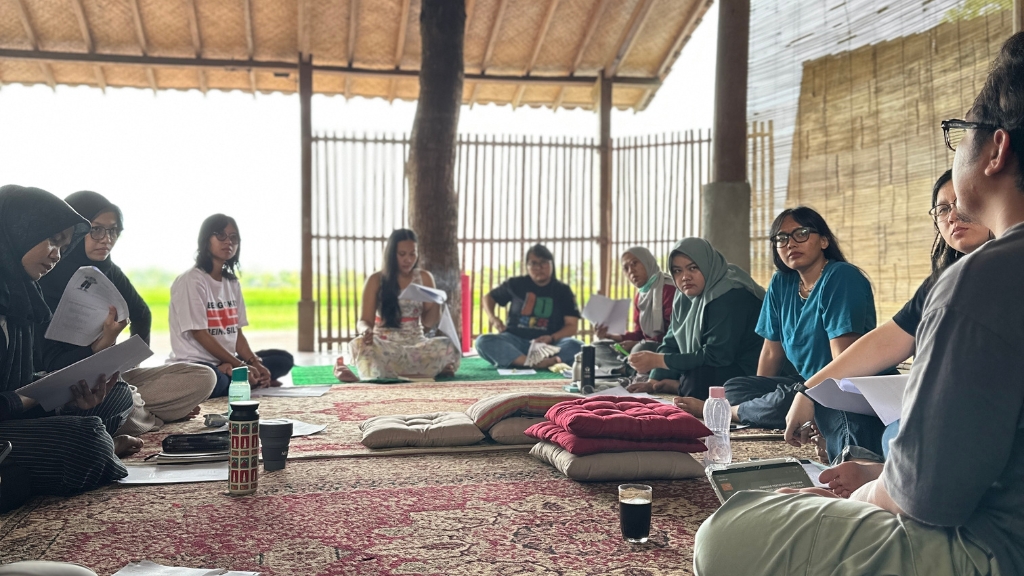
Grief is not only a story—it is a lived, embodied experience.
In community settings, it often shows up quietly: through silence, restlessness, withdrawal, humor, or sudden emotional waves.
Research on peer-based mental health support highlights that emotional distress is not always expressed through words, but through presence, behavior, and relational cues. Without proper training, peer facilitators may misread these signals or respond in ways that unintentionally increase emotional risk—for participants and for themselves.
Peer Facilitator Training is essential because it helps facilitators recognize that:
- Presence is more important than answers
- Safety is more important than emotional intensity
- Holding space is a skill, not a personality trait
Without training, facilitators may unknowingly:
- Absorb participants’ distress without protection
- Push for “sharing” before someone is ready
- Offer advice or reassurance that minimizes lived experience
Through structured preparation, Peer Facilitator Training transforms empathy into responsible care—protecting both the people who come to share and those who hold the space.
Who Joined the Training
The training was designed for participants who:
- Have completed TMH.id’s modelling sessions, and
- Carry lived experiences of grief and loss.
They were not chosen because they are expected to be “strong,” but because lived experience can become a meaningful strength—when processed with awareness, supported by clear boundaries, and held within a supportive system.
This training emphasized that lived experience alone is not enough; it needs reflection, supervision, and ethical grounding to become a source of care rather than emotional risk.
Why Peer Facilitators Matter in TMH.id
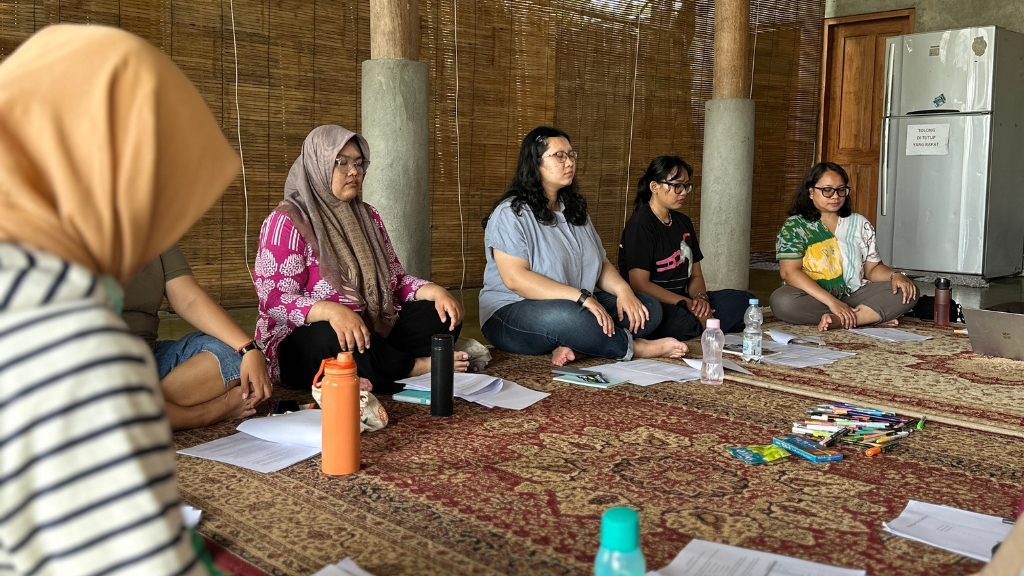
TMH.id believes that healing does not always have to happen alone.
Peer Facilitators help build community-based support spaces that are:
- Closer to young people’s lived realities
- More equal and non-hierarchical
- Guided by ethics and structure
- Sustainable across multiple programme batches
This role is not only about supporting a programme—it is about nurturing an ecosystem of care where community support can grow without burning out the people within it.
Core Skill 1: Self-Regulation
Before holding space for others, facilitators must first be able to hold themselves.
Throughout the training, participants practiced:
- Mindfulness and grounding techniques
- Recognizing bodily signals of tension or triggering
- Staying present without forcing outcomes
- Knowing when to pause and take a break
A safe facilitator is not the one who endures the most—but the one who is most aware of when care is needed.
Core Skill 2: Roles and Ethical Boundaries
The training clearly emphasized role clarity.
Peer Facilitators are not therapists, not saviors, and not providers of quick advice.
Instead, participants practiced:
- Active and empathic listening
- Non-judgmental language
- Maintaining pacing and structure within a space
- Respecting consent and participants’ choices
- Upholding confidentiality, with clear safety boundaries
Ethics, in this context, are not restrictions—they are what make care sustainable and trustworthy.
The Importance of the “Quiet Path”
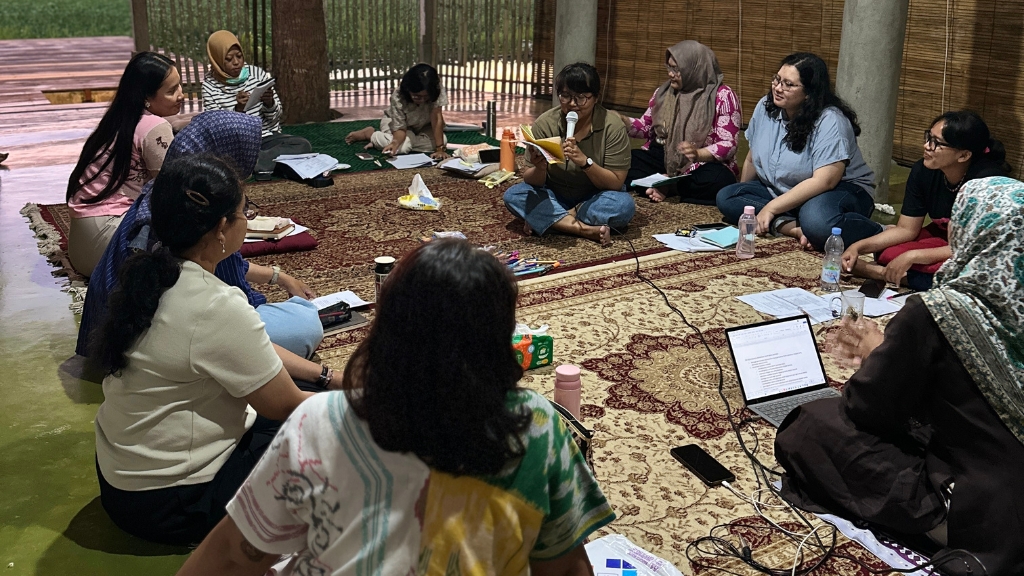
Parts of the training were intentionally designed with minimal talking.
Holding space is not about saying the most words—it is about presence.
Through nature observation, reflective writing, and mindful reading aloud, participants practiced:
- Being with silence without panic
- Choosing words more consciously
- Aligning thoughts, emotions, tone, and expression
- Listening without rushing to respond
These moments reminded participants that depth often grows in stillness, not in urgency.
Why Roleplay Was Essential
Roleplay was not used to assess who performed “best.”
It was used to reveal patterns that emerge when emotional spaces become intense.
Participants practiced:
- Facilitating small group discussions
- Navigating dynamics such as dominance, withdrawal, or tension
- Responding to emotions without becoming overwhelmed
- Reflecting through observer feedback in a safe and structured way
Grief spaces are real—and practice allows facilitators to meet them with greater readiness and humility.
Psychological First Aid (PFA): Helping Without Taking Over
The training also introduced Psychological First Aid (PFA) to help facilitators understand:
- What is appropriate—and inappropriate—support for a Peer Facilitator
- How to offer initial support without taking control of someone’s process
- When and how to connect participants to the team or referral pathways
First aid does not mean fixing everything.
It means helping someone feel just a little safer than before.
A Gentle Invitation to Continue the Journey
Holding grief does not always begin in a circle or a facilitated space.
Sometimes, it starts quietly—through reading, reflecting, and sitting with our own experiences at our own pace.
This training reaffirmed one core principle: Safety matters more than speed.
Engagement within TMH.id is designed to be gradual, collective, and sustainable.
The Peer Facilitator role is not a final destination—it is an ongoing commitment to learning, reflection, and shared responsibility.
To all emerging facilitators who showed up with honesty and care:
this is not the end. It is the beginning of holding GROW spaces—and other TMH.id initiatives—together.
As part of TMH.id’s commitment to accessible and grief-informed care, we invite you to download our free zine, created as a gentle companion for reflection, grounding, and meaning-making.
The zine is designed to be read slowly.
To be held, paused with, revisited.
Not to fix grief but to offer language, space, and presence along the way.