

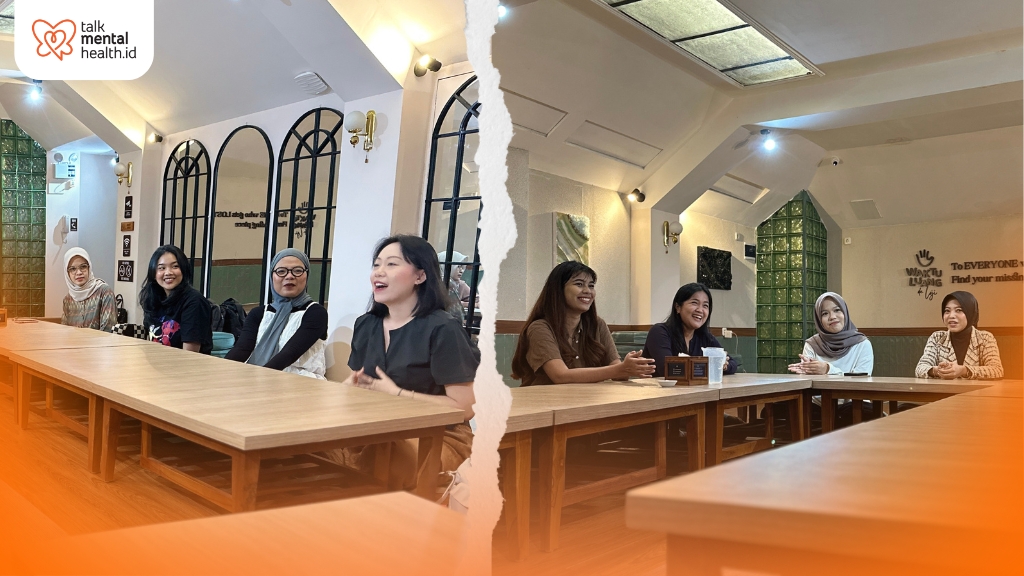
Peer Facilitators help community mental health spaces move from simply listening to truly holding space. In non-clinical settings, a grounded and emotionally aware Peer Facilitator can shape whether a conversation feels safe, supportive, and structured—or overwhelming. As mental health initiatives expand beyond therapy rooms, Peer Facilitators play a vital role in guiding discussions, managing group dynamics, and ensuring care is shared ethically and sustainably.
At Talk Mental Health Indonesia, we believe meaningful mental health work requires preparation, self-awareness, and emotional regulation. That is why we invest in people who are ready to move beyond passive participation and actively help create safe, sustainable spaces for collective healing and growth.
What Is a Peer Facilitator in Community Mental Health?
At the heart of every meaningful mental health program is a safe space—a space where people feel seen, heard, and respected. Research published in Frontiers in Psychology (2023) emphasizes that psychological safety is a core foundation for effective group processes, learning, and emotional wellbeing. When people feel emotionally safe, they are more able to participate openly, reflect honestly, and engage without fear of judgment or harm.
Peer Facilitators play a crucial role in creating this psychological safety. By understanding emotional dynamics, group processes, and how vulnerability emerges in shared spaces, facilitators help prevent emotional overwhelm, reduce unintended harm, and foster trust within the group. This training equips participants with mental health–informed facilitation skills, grounded in research and practice, to support conversations that are not only engaging, but also emotionally responsible, ethical, and sustainable—for both participants and facilitators.
Why Peer Facilitators Matter in Community-Based Mental Health Spaces
Mental health work is not only about what we say—it is about how we show up. In peer-led mental health spaces, facilitators are often present with intense stories, emotions, and group energy that can be emotionally demanding.
Without emotional regulation skills, even well-intentioned support can lead to burnout, reactivity, or unsafe group dynamics. Emotional regulation allows facilitators to remain grounded, present, and responsive, especially when navigating vulnerability, conflict, or emotional intensity within a group.
Through this training, participants learn:
- How to stay grounded while supporting others
- How to respond instead of react during challenging moments
- How to offer feedback in ways that are supportive and non-harmful
These skills are essential for sustainable mental health advocacy, ensuring that facilitators can care for others without neglecting their own wellbeing—and that mental health spaces remain safe for everyone involved.
Peer Facilitator Roles in Creating Psychological Safety
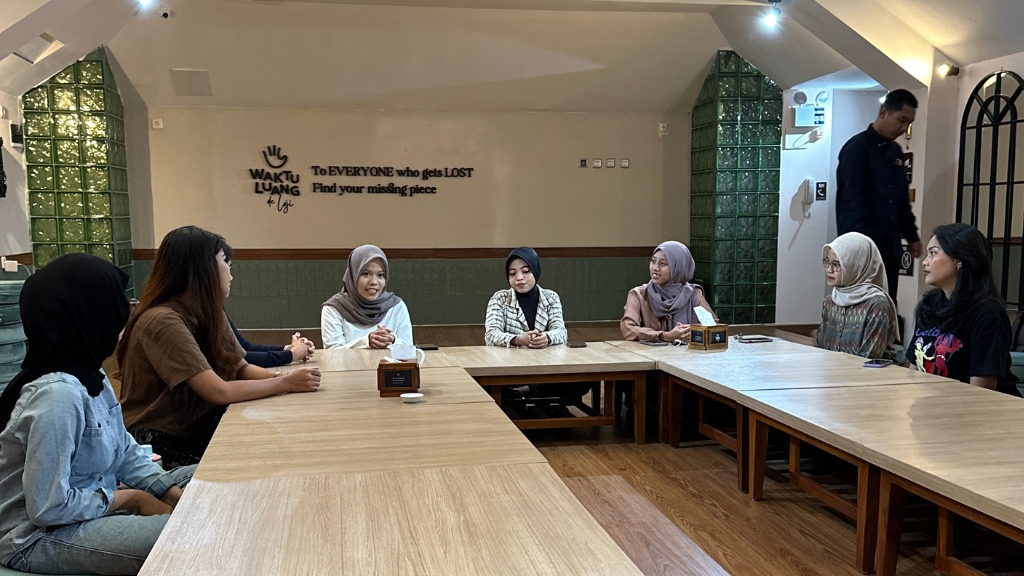
Listening is important—but mental health spaces require more than passive listening. They require facilitators who can hold space with awareness, care, and clear boundaries, especially when emotions, vulnerability, and group dynamics are involved.
Peer Facilitators are trained to:
- Hold emotional space without overstepping boundaries
- Guide conversations with care and structure
- Recognize group needs and emotional cues
- Support participants while maintaining personal wellbeing
This training bridges empathy with facilitation skills, enabling Peer Facilitators to support mental health initiatives responsibly while fostering safe, grounded, and sustainable community spaces.
How Peer Facilitators Support Safe Group Dynamics
Many people enter mental health spaces with strong empathy—but empathy alone is not enough. Without proper support and training, community mental health work can gradually lead to emotional exhaustion, blurred boundaries, and burnout.
This training introduces practical tools to support facilitators in sustaining their role, including:
- Emotional self-regulation to stay grounded during intense moments
- Boundary-setting in group settings to prevent overextension
- Sustainable involvement in community-based mental health programs
By caring for the facilitator, we protect the community—and ensure that mental health support can continue safely and responsibly.
Mental Health as a Collective Responsibility
Mental health support does not only belong in clinical rooms. It grows through communities, peer relationships, and shared responsibility. When care is distributed and supported collectively, it becomes more accessible, inclusive, and sustainable.
This Peer Facilitator Training strengthens collective mental health by preparing individuals to become steady, ethical, and emotionally aware leaders within TMH.id programs—ensuring that care is shared, supported, and never carried alone.
Stepping Into the Role: Becoming a Peer Facilitator
Peer Facilitators are not expected to have all the answers. Their role is to hold space with awareness, responsibility, and care—grounded in emotional regulation, ethical facilitation, and an understanding of group dynamics. At Talk Mental Health Indonesia, Peer Facilitators are trusted partners in creating community-based mental health spaces that are safe, inclusive, and sustainable.
Through this training, participants are invited to step into this role with intention. Not only as listeners, but as facilitators who can guide conversations, navigate emotional intensity, and support collective wellbeing—while staying connected to their own limits and capacity. This is an opportunity to grow into a role that directly contributes to TMH.id’s ongoing and future mental health programs.
A Call for Those Ready to Be More Than Just a Listener
In 2026, Talk Mental Health Indonesia (TMH.id) is preparing to launch a series of impactful community-based mental health programs. To make these programs truly grounded, safe, and transformative, we are inviting a small group of committed individuals to take on a bigger role—not just as participants, but as Peer Facilitators.
Being a Peer Facilitator means more than listening.
It means holding space, guiding conversations, navigating group dynamics, and ensuring that every TMH.id program creates real impact for the people involved.
If you feel called to contribute more actively to mental health work, this is where your journey begins.
2D1N Peer Facilitator Training
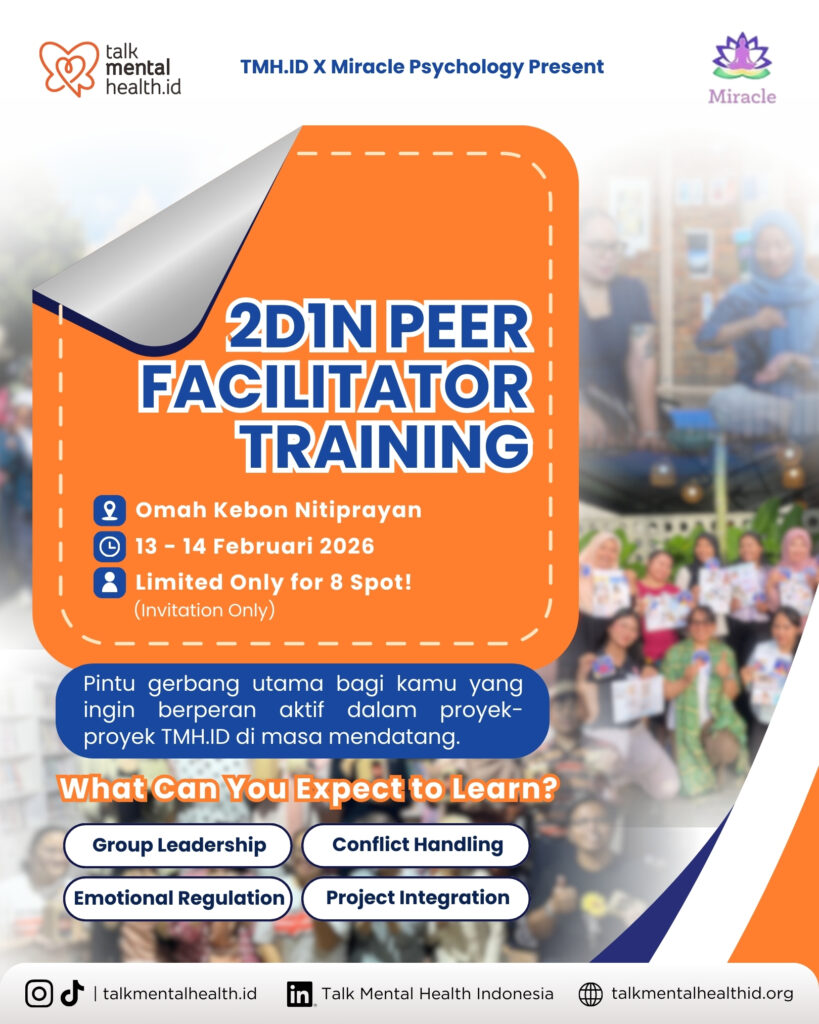
To prepare future Peer Facilitators, Talk Mental Health Indonesia is collaborating with Miracle Psychology to present an intensive and immersive training experience:
2 Days, 1 Night Peer Facilitator Training
📅 Date: 13–14 February 2026
📍 Location: Omah Kebon Nitiprayan
👥 Capacity: Limited to 8 participants (Invitation Only)
This training is designed as a gateway for those who want to be directly involved in TMH.id’s upcoming projects and community initiatives.
What Will You Learn?
Throughout this 2-day, 1-night training, participants will explore both personal and practical skills essential for peer facilitation:
Group Leadership
Learn how to lead discussions and program activities with clarity, empathy, and professionalism—while fostering safe and inclusive group spaces.
Conflict Handling
Understand group dynamics and gain practical tools to navigate tension, differences, and challenging moments during sessions.
Emotional Regulation
Strengthen your ability to regulate your own emotions while accompanying others, allowing you to stay grounded, present, and supportive—and to offer constructive, compassionate feedback.
Project Integration
This is not just theory. You’ll learn how your role as a Peer Facilitator will be directly applied in real TMH.id programs, ensuring continuity, relevance, and impact.
Why Peer Facilitators Matter at TMH.id
Peer Facilitators are the backbone of our work.
They bridge professional frameworks with lived experience, creating spaces where participants feel heard, respected, and empowered.
By joining this training, you are stepping into a role that directly supports:
- Community-led mental health initiatives rooted in shared responsibility and mutual care
- Sustainable, non-clinical support spaces that are accessible, inclusive, and grounded in everyday realities
- Ethical and trauma-informed facilitation, ensuring emotional safety for both participants and facilitators
- Long-term involvement in TMH.id projects, contributing to continuity, impact, and collective growth
This is not a one-off role, but an invitation to become part of a growing ecosystem of Peer Facilitators who help shape the future of mental health support at TMH.id.
Ready to Step Forward?
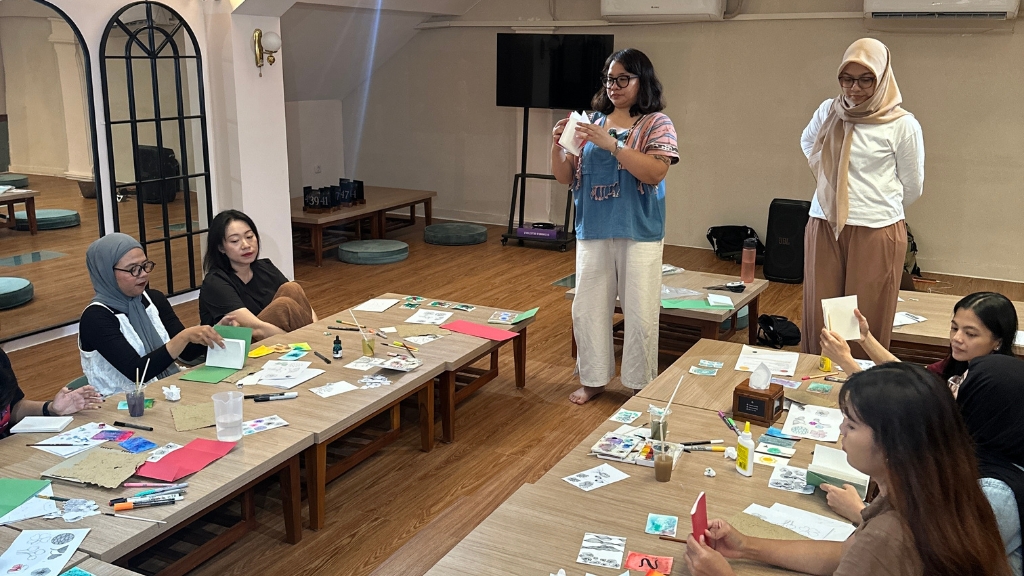
Spots are extremely limited, and participation is by invitation only.
If you feel aligned with TMH.id’s values and are ready to grow into a more active role in mental health and community work, this training may be your next step.
✨ Become part of the people shaping TMH.id’s future.
✨ Be more than a listener—be a facilitator of change.
For invitations, updates, and detailed information, follow us on Instagram @talkmentalhealth.id.
You can also download our free zines and reflective resources to support your self-reflection journey at: https://talkmentalhealthid.org/freebies/
Stay connected with us and walk alongside a community that is learning to create safer, more caring mental health spaces together.