

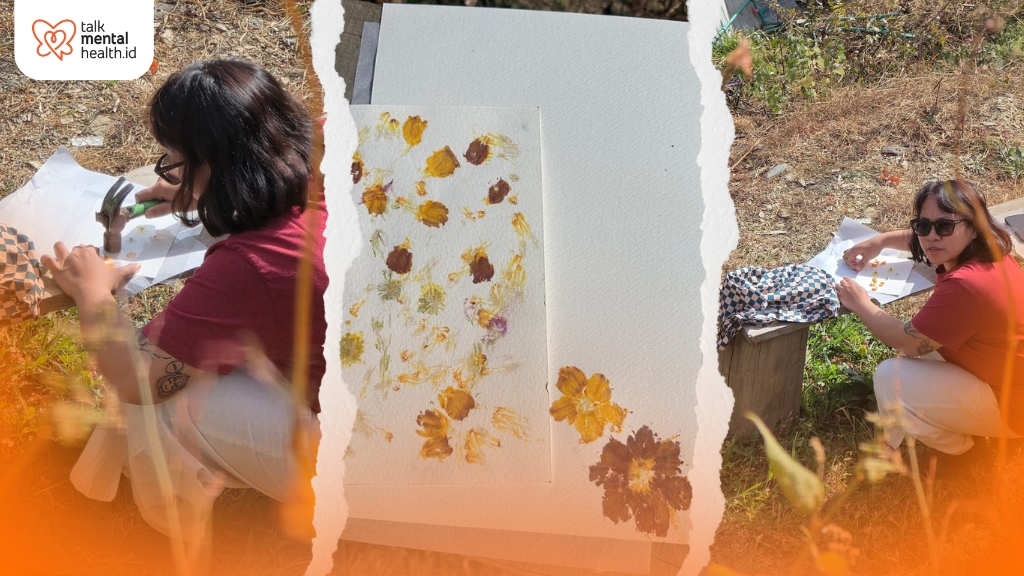
Pressing Pause at Serai, Shimla has felt like pressing a gentle pause button on life. Living and creating at Serai, a quiet residency space in Shimla, Himachal Pradesh, has given me something I rarely have in my day-to-day work: time and space. Time to rest. Space to breathe, notice, and create. Tucked between mountains and pine forests, Serai invites slowness—not as an escape, but as a way of returning to the body, to creativity, and to presence.
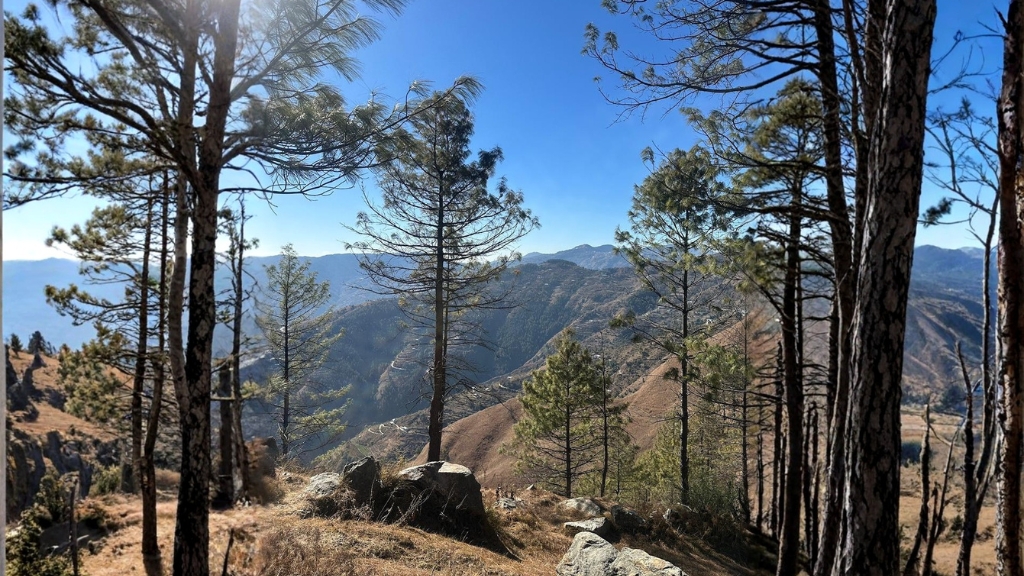
Each day begins with small, quiet moments—the bite of cold air on my skin, the sound of birds hidden in the trees, the way the light slowly travels across the hills. There are flowers along the paths, pine needles under my feet, and a sky that often softens into mist. This landscape is not just a backdrop; it feels like a co-facilitator. Through the rhythm of nature, pressing pause feels embodied—slowing down enough to listen to my body and arrive fully in the present.
Shared Space, Shared Presence
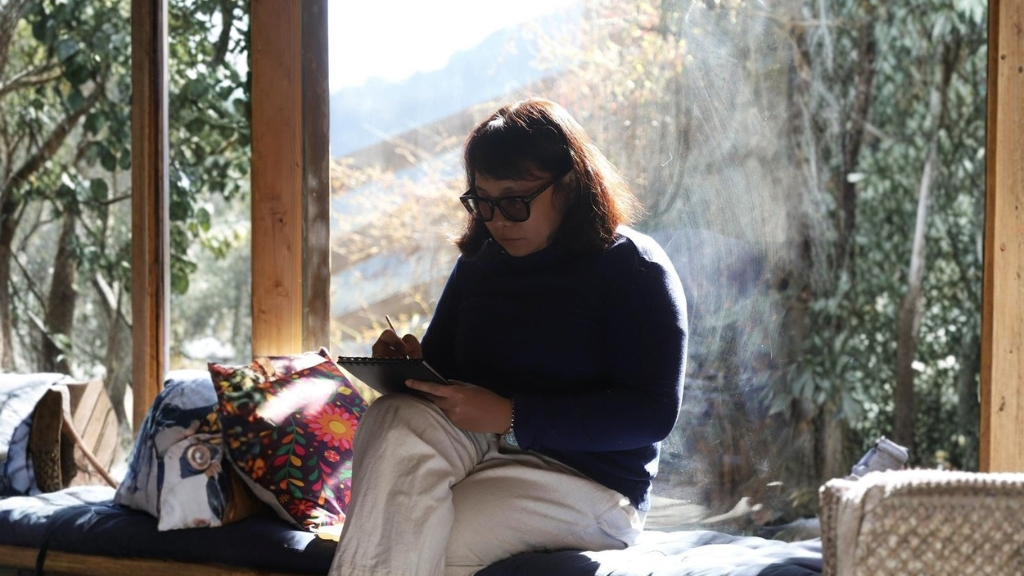
I share this residency with three other fellows: two visual artists and one who also works in mental health. Our conversations flow between lines and colors, trauma and healing, textures, grief, and community work—often circling the same question: How do we create spaces where people feel safe to feel? Being surrounded by people who hold both vulnerability and creativity so naturally has been deeply nourishing. We share meals, swap stories, sit in silence, and allow our processes to unfold side by side. In these shared moments, pressing pause becomes collective, not something I do alone.
During my stay here, I’ve been exploring the intersection of mental health x art x nature—the same intersection that sits at the heart of Talk Mental Health Indonesia, but with a different rhythm. At Serai, pressing pause also means stepping out of my usual role as a facilitator. I am a learner, an observer, an experimenter. I get to explore what healing looks like from the inside, not only from the perspective of the one holding the space.
Slow Art as a Gentle Practice of Listening
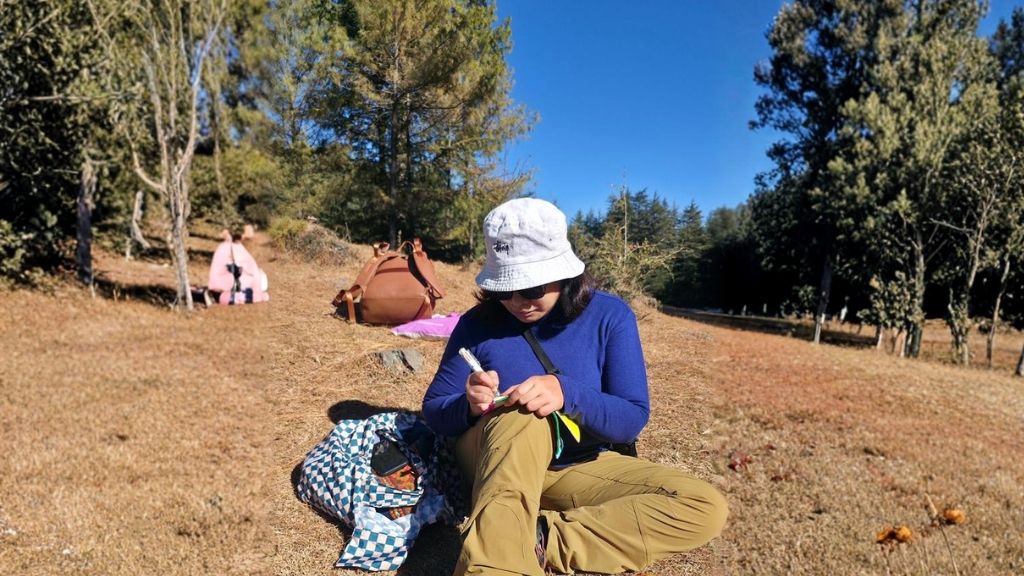
One of the most meaningful discoveries for me has been slow art. Instead of aiming for a big, finished artwork, I work with very small pieces: tiny bits of watercolor backgrounds, simple circles, repetitive lines, hand-drawn flowers and leaves. I cut, draw, and paint one small element at a time. Each piece takes only a few minutes of attention, and that’s the point. Slow art becomes a meditative and reflective tool—another way of pressing pause—where every stroke, dot, or scribble is a way to check in with myself:
- How is my breath right now?
- What emotion is quietly sitting underneath the surface?
- What does my body need—more softness, more grounding, more play?
Later, these little fragments come together as a collage. I move them around, layer them, and let them “talk” to each other until they form a composition that feels true. It’s like assembling small pieces of my emotional landscape into a visible story. Nothing is rushed. Nothing has to be perfect. Pressing pause gives me permission to change my mind, rearrange, or leave white space.
What I love about this approach is how accessible it is. You don’t need to be “an artist,” or have a big canvas, or know exactly what you want to express. You don’t even need to commit to a long process. You can simply start with one small piece of paper, one color, one pattern. Slowly, step by step, these small acts of creation become something bigger and more meaningful.
This resonates with what psychology research has long suggested: pressing pause actually improves performance and clarity, not by pushing harder, but by allowing the nervous system to reset. As discussed in Psychology Today, taking intentional pauses helps the brain step out of constant urgency, creating space for insight, creativity, and more grounded decision-making.
Here, pressing pause is not about stopping creativity—it’s what makes creativity feel gentle instead of overwhelming. By slowing down the process, the body softens, the mind becomes quieter, and expression emerges more honestly, one small piece at a time.
Carrying the Pause Forward
This is why I’m excited to bring slow art and collage into Talk Mental Health Indonesia. I can imagine workshops where young people sit together—maybe in a garden, maybe in a simple room with plants and open windows—each person working on tiny pieces at their own pace. In these spaces, pressing pause becomes a shared practice, allowing bodies and minds to soften, feel, and reconnect.
Serai has offered me a pause between chapters: a space to be held by mountains and pine trees, to rest, and to remember why I do this work. From this stillness, new ideas are growing—ways to weave rest, nature, and slow, gentle art into mental health spaces in Indonesia. Not through big, overwhelming steps, but by pressing pause—intentionally, repeatedly, and with care—through small, kind actions that, over time, can hold so much healing.
An Invitation to Press Pause Together
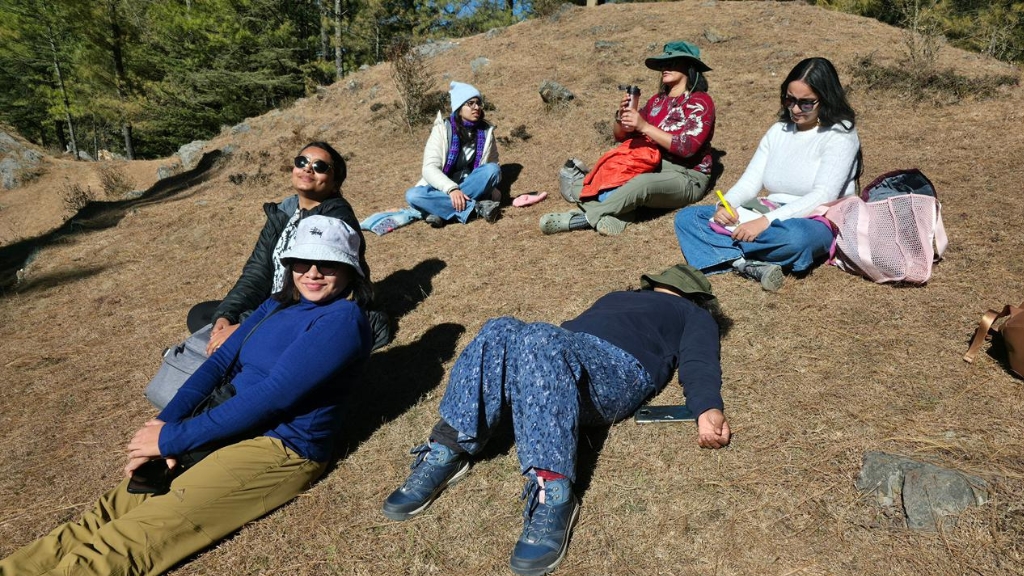
Pressing pause doesn’t have to happen only in the mountains of Shimla.
It can begin anywhere—through small moments of rest, gentle creativity, and honest reflection. What I experienced at Serai reminded me that healing doesn’t always ask us to do more. Sometimes, it simply asks us to slow down, listen, and create with care.
Carrying the Pause into Everyday Life
If this reflection resonates with you, I share more personal notes, slow practices, and reflections on mental health, art, and rest on Instagram at @fsischa. It’s a space where I document the in-between moments—pressing pause in daily life, not just during retreats or residencies.
You can also explore and download our free zines from Talk Mental Health Indonesia—gentle, accessible resources created to remind you that you’re not alone in what you feel.
You’re invited to use them not only as something to read, but as a starting point to make your own zine—cut, write, draw, add your own words, and let it hold what you’re feeling today.
Download the zines here: https://talkmentalhealthid.org/freebies/
May these small offerings support you in finding your own ways of pressing pause—softly, intentionally, and in your own time.