

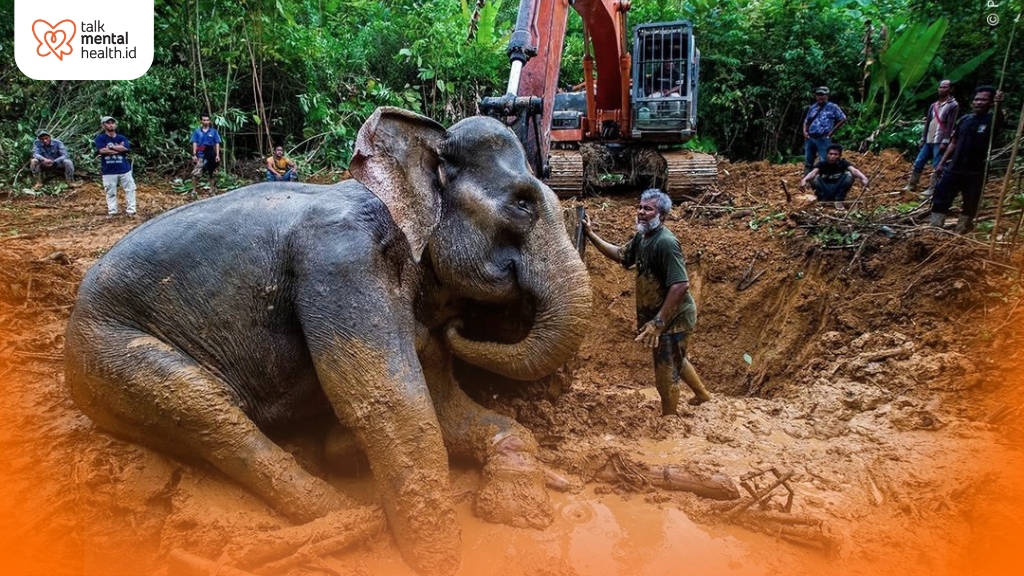
Eco-Anxiety is no longer a niche term—it has become a shared emotional experience for millions of people around the world. Defined as the chronic fear of environmental doom, Eco-Anxiety arises from witnessing climate change, environmental degradation, and the rapid loss of ecosystems we depend on. It reflects not weakness, but empathy and awareness. As more communities face extreme weather, shrinking forests, and disappearing species, Eco-Anxiety has become an increasingly common response to a planet in crisis.
The conflict in Tesso Nilo National Park (TNTN) illustrates this emotional reality with striking clarity. When environmental destruction intersects with human conflict, wildlife decline, and uncertainty about the future, the psychological impact intensifies. The tension between conservation efforts, local livelihoods, and vanishing habitats shows how Eco-Anxiety develops and why it affects so many people. Through the lens of Tesso Nilo, we begin to understand not only the emotional toll of ecological loss, but also how this collective anxiety can be transformed into motivation for meaningful action.
A Rapidly Changing Landscape: The Roots of Eco-Anxiety in Tesso Nilo
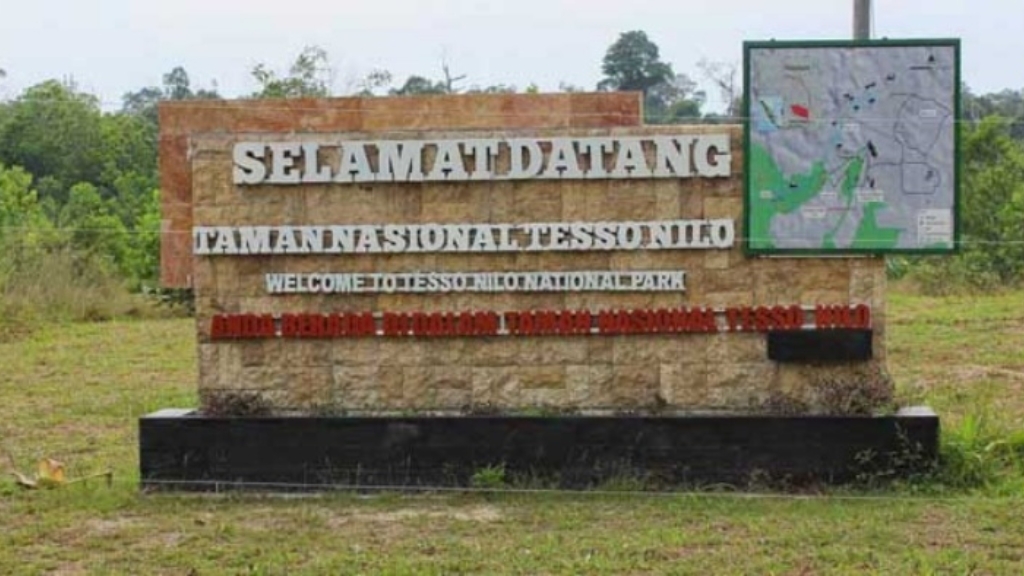
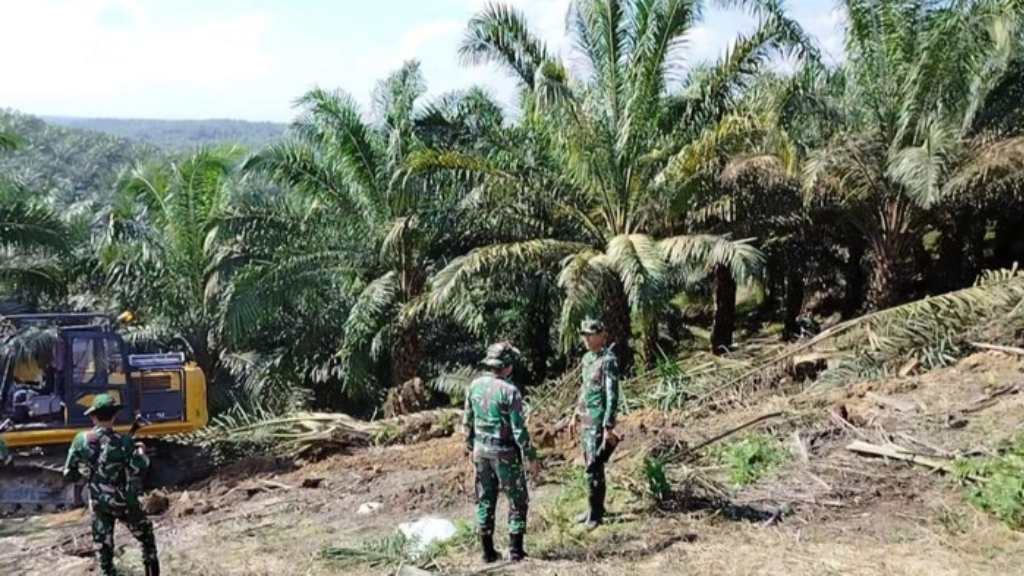
Tesso Nilo was once one of Sumatra’s most biologically rich lowland forests, known for its high biodiversity and critical role as a habitat for Sumatran elephants. Yet over the past few decades, the landscape has undergone dramatic degradation. The national park originally covered about 83,000 hectares, but today only approximately 12,500 hectares of intact forest remain. The rest has been overtaken by illegal oil palm plantations, burned to the ground, or transformed into informal settlements.
In June 2025, the government’s Forest Area Control Task Force (Satgas PKH) implemented a major enforcement operation, sealing 81,793 hectares of contested land. This action triggered protests, resistance, and even intimidation against officers on the ground. Thousands of residents refused relocation, arguing for their long-established presence in the area. Meanwhile, only around 150 Sumatran elephants remain in the shrinking forest, raising fears of escalating human–elephant conflicts.
This combination of ecological loss, social conflict, and policy disputes has generated widespread concern—fueling Eco-Anxiety among citizens, activists, researchers, and the general public who feel emotionally affected by the destruction.
Why Events Like Tesso Nilo Trigger Eco-Anxiety
Eco-Anxiety arises when individuals witness environmental degradation and feel powerless to stop it. The Tesso Nilo conflict activates several emotional triggers that are commonly associated with Eco-Anxiety:
1. The loss of forests threatens our sense of safety
Forests stabilize soil, prevent floods, regulate climate, and provide clean air. Watching them disappear at such a scale creates a profound sense of uncertainty. For many people, the collapse of Tesso Nilo represents the collapse of environmental stability—fueling Eco-Anxiety.
2. Feelings of anger and injustice intensify emotional distress
The Tesso Nilo case reflects decades of overlapping land claims, political interests, weak enforcement, and economic pressure. This complexity often leads to frustration and anger. Eco-Anxiety grows when people feel the system is failing both humans and nature.
3. The future feels increasingly unpredictable
Eco-Anxiety is strongly tied to fears about the future. When elephant populations decline, forests burn, and conflicts escalate, people begin to imagine a future that feels unsafe, unstable, or lost.
What Exactly Is Eco-Anxiety?
According to UNICEF, Eco-Anxiety is an emotional and mental response to climate pressure and environmental crisis. It can manifest as fear, anxiety, sadness, anger, or grief in reaction to ecological damage and uncertainty about the planet’s future. UNICEF describes it as a valid emotional reaction — not an overreaction — to witnessing environmental loss.
Common characteristics of Eco-Anxiety include:
- Persistent worry about the future of the planet and the next generations.
This concern is widely documented by UNICEF and also highlighted on Wikipedia as one of the most common emotional responses to climate change. - Sadness, grief, or guilt about environmental loss — such as disappearing habitats, species extinction, or degradation of natural landscapes.
UNICEF notes that these emotions often appear when people feel deeply connected to nature. - Feelings of powerlessness or helplessness, especially when individuals feel unable to stop ongoing environmental destruction.
Both Wikipedia and Practical Action describe this helplessness as a key contributor to Eco-Anxiety. - Emotional fatigue, burnout, or chronic stress caused by constant exposure to negative environmental news.
The Center for Integrative Health (CIH) and the World Economic Forum emphasize that repeated exposure to climate-related stories can intensify exhaustion and overwhelm. - Physical symptoms or disruptions to daily life, such as difficulty sleeping, trouble concentrating, low mood, or a sense of hopelessness.
UNICEF’s reports further highlight that these physiological responses can appear when climate-related fear becomes prolonged.
It is important to note that Eco-Anxiety is not a formal mental health disorder listed in diagnostic manuals like the DSM-5 (as clarified by Medical News Today). However, it remains a valid and understandable emotional response to real environmental threats — and it can significantly impact well-being if left unrecognized or unsupported.
How the Tesso Nilo Conflict Intensifies Eco-Anxiety
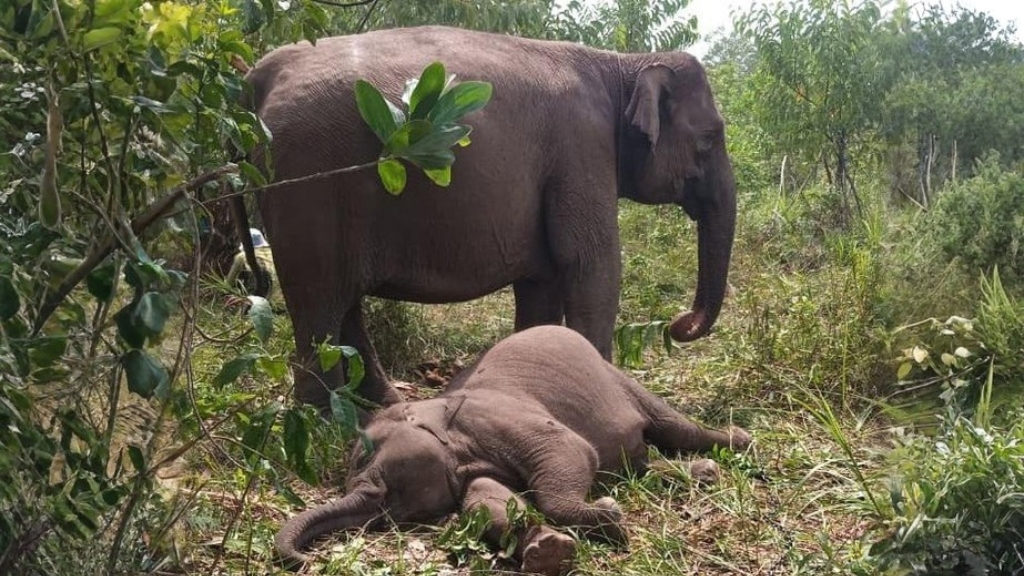
The unfolding conflict in Tesso Nilo National Park makes these symptoms even stronger. The situation combines two powerful triggers of Eco-Anxiety:
- Ecological destruction:
Massive land conversion, shrinking elephant habitats, and the rapid loss of forest cover amplify grief, fear, and guilt about environmental decline. - Human conflict and uncertainty:
Clashes between residents and authorities, forced relocation, economic instability, and community trauma add layers of stress, helplessness, and emotional fatigue.
When environmental loss intersects with social tension, Eco-Anxiety becomes more than a distant fear — it becomes personal, immediate, and deeply felt. The Tesso Nilo case shows how environmental crises are not only ecological issues, but also mental health issues affecting communities, activists, and anyone who cares about the planet.
Turning Eco-Anxiety Into Strength: What We Can Do
Eco-Anxiety does not mean something is wrong with you. It means you are aware, connected, and paying attention. But to prevent Eco-Anxiety from becoming overwhelming, it needs to be acknowledged and managed intentionally.
1. Practice Emotional Validation
Eco-Anxiety grows when feelings are ignored. Allow yourself to acknowledge sadness or frustration when reading about Tesso Nilo. Emotional validation helps prevent burnout and creates space for resilience.
2. Focus on Micro-Actions With Real Impact
Eco-Anxiety often increases when people try to think about global problems they cannot control. Instead, shift focus to small, consistent actions:
- reducing palm-oil consumption
- supporting conservation programs
- donating to verified restoration efforts
- sharing factual environmental information
- learning from communities who protect forests
These micro-actions create agency—and agency directly reduces Eco-Anxiety.
3. Transform Anxiety Into Advocacy
Advocacy is one of the most effective ways to counter Eco-Anxiety. When people speak up, sign petitions, support science-based policies, or join public discussions, their sense of power increases. Eco-Anxiety turns into eco-activism when people feel they have a role.
4. Build or Join Supportive Communities
Eco-Anxiety is lighter when shared. Community circles, environmental clubs, conservation groups, or online communities can help people process their concerns in a supportive environment.
Eco-Anxiety Is a Sign of Compassion, Not Weakness
Reading about Tesso Nilo—shrinking forests, land disputes, elephant displacement, and decades of unresolved tension—may evoke anxiety, sadness, or anger. But these emotions do not reflect weakness. They reflect awareness and connection. Eco-Anxiety shows that you care about the world you live in. It is an emotional response aligned with empathy and responsibility.
Yet Eco-Anxiety must be channeled effectively. When unmanaged, it can lead to paralysis or hopelessness. But when supported, it becomes a powerful force for environmental protection. The goal is not to eliminate Eco-Anxiety, but to transform it into action, clarity, and commitment.
We Need Each Other to Navigate Eco-Anxiety

The Tesso Nilo conflict clearly shows that environmental issues are human issues. They touch our sense of home, our livelihood, our identity, and the future we hope to build for the next generation. To navigate Eco-Anxiety in moments like this, we need community, solidarity, and collective care. Eco-Anxiety becomes lighter when shared. Action becomes stronger when coordinated. And hope becomes more possible when we remind ourselves that we are not walking this path alone.
If you want to explore how environmental loss affects our emotional world even further, read our related article: When Nature Suffers, So Do We: Save Raja Ampat, Save Our Sanity.
It continues the conversation on why protecting nature is inseparable from protecting our mental well-being — and why healing the Earth also means healing ourselves.
Read here: https://talkmentalhealthid.org/when-nature-suffers-so-do-we-save-raja-ampat-save-our-sanity/
Because we cannot heal the planet without healing ourselves—and we cannot heal ourselves without caring for the planet.
Let’s keep learning, caring, and moving forward together.