


Have you felt anxious or panicked after hearing news about PPATK freezing bank accounts? You’re not alone.
Recently, social media was shaken by reports that Indonesia’s Financial Transaction Reports and Analysis Center (PPATK) froze millions of accounts. The policy left many feeling that their assets and financial access were under threat. Emotional reactions—like confusion, anxiety, even anger—are completely valid.
But why does a policy like this trigger such a strong emotional response? And how can we understand its impact not only from an economic angle—but also from a mental health perspective?
What Actually Happened?
According to CNN Indonesia (August 1, 2025), PPATK temporarily froze 31.2 million dormant accounts in an effort to prevent misuse for money laundering or terrorist financing.
However, the way this policy was executed stirred public anxiety. Why? Because it touched something deeply sensitive: people’s money.
Many citizens felt uninformed and feared that even their active and legitimate bank accounts could be frozen without warning.
When Financial Access Is Cut Off, People Become Victims of Policy
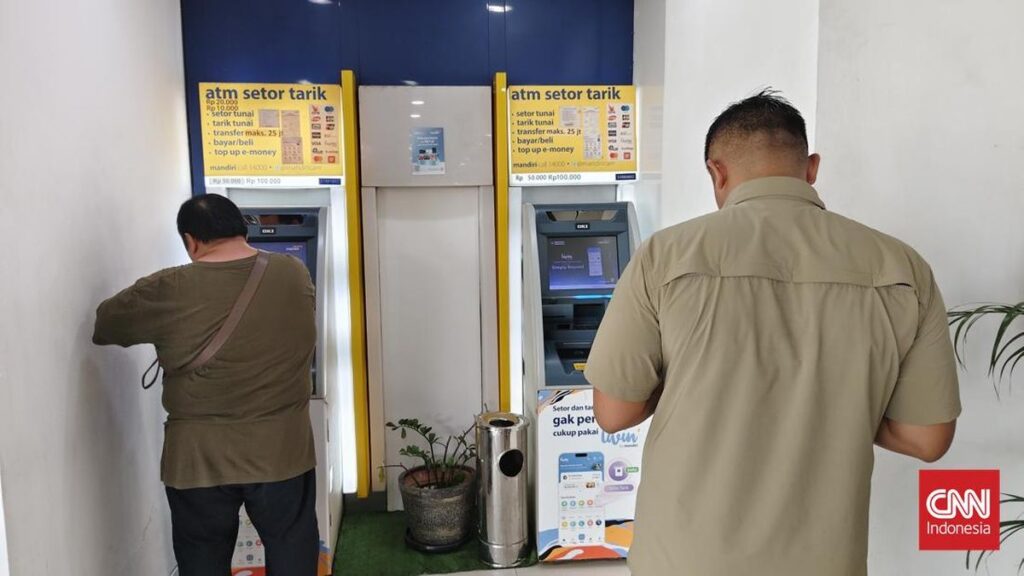
What happens when you suddenly can’t access your own money?
Imagine:
- Your ATM card stops working.
- You get a notification that your account is temporarily blocked.
- You’re told to visit the bank in person with a bunch of documents—without being told why.
That’s exactly what many Indonesians feared when they first heard the mass account freeze news. Even if their accounts were unaffected, the panic and stress kicked in immediately.
People reported feeling:
- Afraid they wouldn’t be able to access their personal savings
- Worried that their elderly parents’ or relatives’ accounts might be frozen
- Frustrated at how complicated and bureaucratic the process of unfreezing an account could be
- Lost and confused because there was no clear source of accurate information
For citizens living paycheck to paycheck, surviving on daily wages or small monthly transfers, account freezes aren’t just news—they’re a real and immediate threat.
Why This Policy Created Mass Anxiety
This isn’t an isolated case. There’s a recurring pattern in Indonesia’s public policy rollouts: often rushed, poorly communicated, and out of touch with the everyday struggles of the people.
Psychological impacts of this kind of policy include:
- Uncertainty – Not knowing if your account might be frozen next
- Distrust – Feeling like you’re being treated as suspicious without any evidence
- Disappointment – Seeing change happen only after public outrage goes viral on social media
- Mental and bureaucratic fatigue – Having to spend time, money, and energy fixing something that could have been avoided with clearer communication
The Psychological Toll of Financial Uncertainty

Don’t underestimate the stress caused by financial uncertainty. It’s not just about the money — it’s about the sense of safety and control over your own life.
Mental health consequences that may arise include:
- Panic attacks due to blocked financial access
- Sleepless nights from overthinking worst-case scenarios
- Physical tension in the body from constant stress
- Feelings of helplessness, exhaustion, or even mild depression
Over time, these issues can weaken the immune system, reduce focus, and lower productivity. So if the news made you feel emotionally shaken, your reaction is 100% valid.
Trust Is Being Eroded
Trust is the foundation of any relationship — including between a government and its people.
When public policies feel sudden, unaccountable, or disconnected from lived realities, that trust begins to erode.
This isn’t just a technical or economic issue. It’s also about:
- The emotional wellbeing of citizens
- The sense of safety in daily life
- People’s hopes and trust in the future
Policymakers must recognize that public trust and mental health are interconnected, and must be considered from the start — not just after damage is done.
We See You. You’re Not Alone.

In the middle of the noise, fear, and confusion, Talk Mental Health ID created a special zine:
“Not Okay, But Not Alone”
This zine is:
- A safe space for reflection
- A medium to validate your emotional discomfort
- A quiet companion to process the emotional toll of difficult news and shifting policies
- A gentle reminder: you’re not going through this alone
Even when things feel overwhelming, connection and compassion still exist. And we’re here with you.
Small Steps to Reclaim Your Power
In uncertain times, especially when overwhelming news spreads quickly, it’s easy to feel powerless. But even small actions can help you regain a sense of control and protect your mental well-being.
- Pause and breathe – Before reacting to scary or confusing news, take a moment to ground yourself. A few deep breaths can help you respond rather than react.
- Verify information – Don’t rely solely on WhatsApp groups or viral social media posts. When in doubt, contact your bank or trusted sources directly.
- Talk about it – Sharing your thoughts and feelings helps you process what’s happening—and reminds others they’re not alone. Your experience is valid.
- Protect your mind – Information overload can worsen anxiety. Be intentional about how and when you consume news. It’s okay to take breaks, log off, and rest your mind.
What Can We Do?

When the news feels overwhelming, and your chest tightens with worry — take a moment to breathe.
It’s completely okay to feel shaken. It’s okay to feel anxious, confused, or even powerless. These are all valid emotional responses to distressing situations.
But even in the chaos, you still deserve peace. You still deserve a sense of safety.
💭 Give yourself permission to pause.
💭 Step back from social media if it starts to feel too much.
💭 Protect your mental space as a form of self-respect, not selfishness.
Join Our Growing Mental Health Community
In times like these, staying connected to trusted, compassionate information can make all the difference.
That’s why we invite you to be part of our growing mental health community by subscribing to our newsletter:
👉 talkmentalhealthid.org/newsletter
Our newsletter isn’t just about updates — it’s a space where you can:
🌱 Learn practical tools to care for your emotional wellbeing
🧠 Stay informed on the latest mental health topics, events, and support resources
💬 Read reflections and insights that help you feel understood and less alone
🤝 Connect with stories that remind you of our shared humanity
Whether you’re navigating a difficult week, looking for clarity, or simply needing a small nudge to care for yourself—our newsletter is here to support you.
You’ll find resources to help you stay grounded, updated, and supported—wherever you are on your journey.
Connect More Deeply with the Community
You don’t have to navigate this alone.
When things feel uncertain, community can offer stability.
Let’s continue showing up for one another—with empathy, clarity, and courage.
Follow us for content that’s validating, empowering, and always real:
Instagram: @talkmentalhealth.id
TikTok: @talkmentalhealth.id
Coming Soon: A Space for You

In response to the rising emotional toll many are feeling, Talk Mental Health ID created a special zine titled:
“Not Okay, But Not Alone”
This zine is:
✨ A safe space to reflect and feel
✨ A medium to validate what’s hard to explain
✨ A quiet companion as you process heavy news and policy changes
✨ A reminder that your emotions are not an overreaction—and you are not alone
Our zine will be published soon, and it will be available for free download on our website.
Because mental health support should be accessible—and because you deserve to be reminded:
You’re seen. You’re heard. You’re not alone.
I’ll be sharing this with my team.