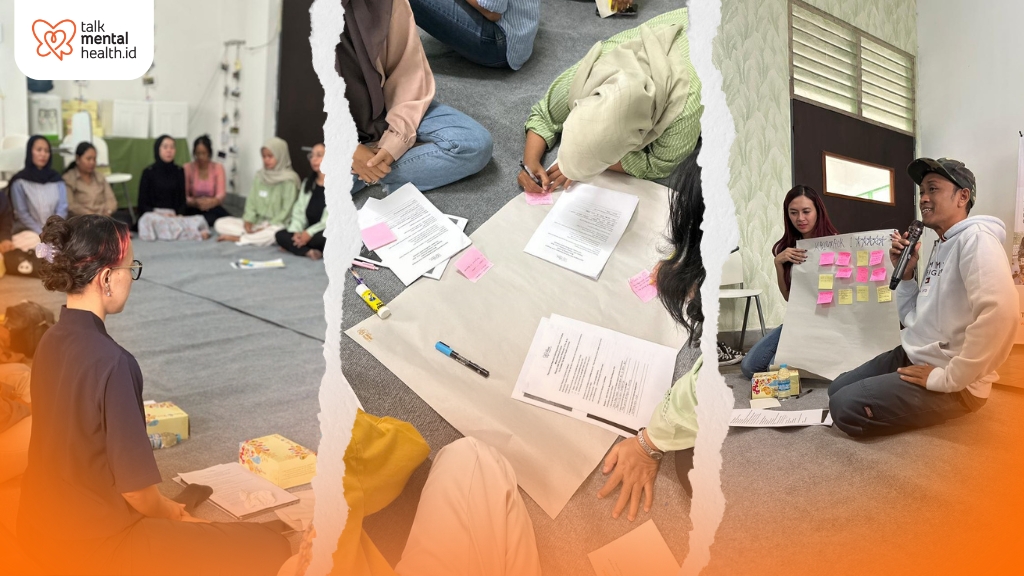
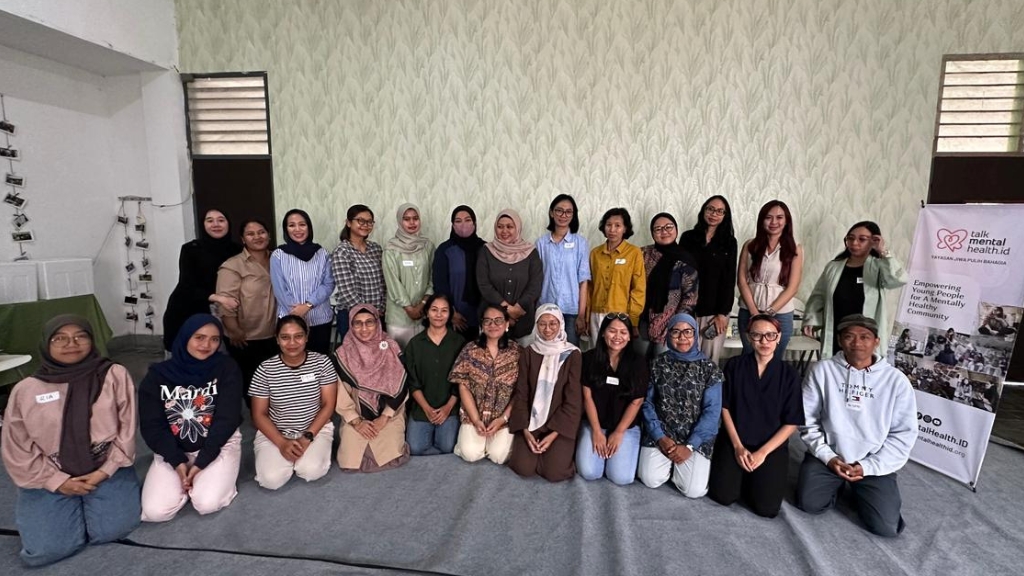
Psychological First Aid is not only a crisis response model — it is also a powerful foundation for emotionally safe parenting. On Wednesday, 25 February 2026, Talk Mental Health Indonesia (TMH.id) in collaboration with CSIE Sekolah Tumbuh held a parenting session titled:
“Psychological First Aid & Self-Regulation for Parents.”
The session was led by:
Diah Purwita Rini, M.Psi., Psikolog – Miracle Psychology
Fransisca Wulandari, S.Psi., M.Sc. – Talk Mental Health Indonesia
This session was designed to deepen parents’ understanding that parenting today is not only about guiding behavior — but guiding emotions.
In an overstimulating world filled with academic demands, social pressures, and digital exposure, children often experience stress not as words — but as bodily reactions. Crying, shouting, withdrawal, clinginess, or refusal are often expressions of emotional overload rather than intentional misbehavior.
Throughout the session, participants explored how Psychological First Aid (PFA) and parental self-regulation serve as foundational tools in building emotional safety at home.
Why Emotional Regulation in Parents Matters
Research in neuroscience shows that children borrow regulation from adults. The developing brain relies heavily on co-regulation — meaning a child’s nervous system stabilizes through the calm presence of a trusted caregiver.
When a parent remains grounded:
- The child’s stress response decreases.
- The emotional brain begins to settle.
- The thinking brain can re-engage.
- Learning and reflection become possible again.
But when both parent and child are dysregulated, escalation becomes likely.
Psychological First Aid for parents shifts the focus from controlling behavior to stabilizing emotional states. Emotional safety at home is not created by strict rules or constant advice. It is built through repeated experiences of being understood, seen, and supported — especially during difficult moments.
Recognizing Stress and Distress in Children
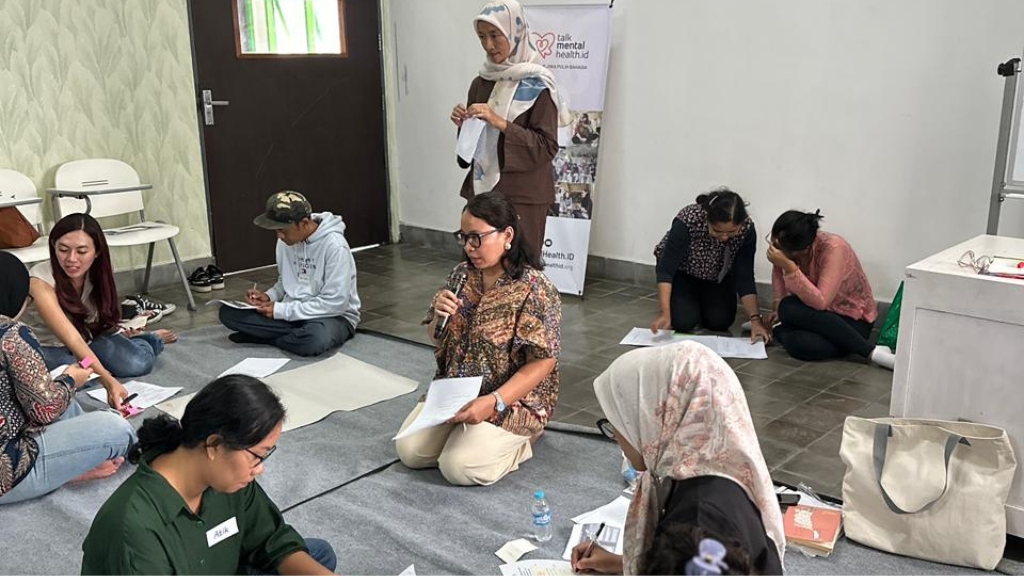
Children express stress differently depending on age, temperament, and context. Signs may include:
- Increased irritability or anger
- Sudden emotional outbursts
- Withdrawal or silence
- Changes in appetite or sleep
- Difficulty concentrating
- Somatic complaints (headaches, stomachaches)
- Regression in behavior
Understanding that behavior is communication allows parents to respond with curiosity rather than judgment.
Instead of asking, “Why are you acting like this?”
We begin to ask, “What might my child be feeling underneath this behavior?”
Key Reflection from the Session
1. Regulation Before Correction
One of the strongest insights shared during the session was: Dysregulation cannot calm dysregulation.
Children borrow regulation from adults. Neuroscience explains that the developing brain relies on co-regulation — meaning a child’s nervous system stabilizes through the calm presence of a trusted caregiver.
When parents remain grounded:
- The child’s stress response decreases
- The emotional brain begins to settle
- The thinking brain can re-engage
Participants reflected on how often behavior becomes the focus — while the emotional state underneath is overlooked.
The shift introduced during the session was simple yet powerful:
Instead of asking,
“How do I stop this behavior?”
we begin asking,
“How do I help my child feel safe right now?”
2. Understanding Psychological First Aid (PFA) in Everyday Parenting
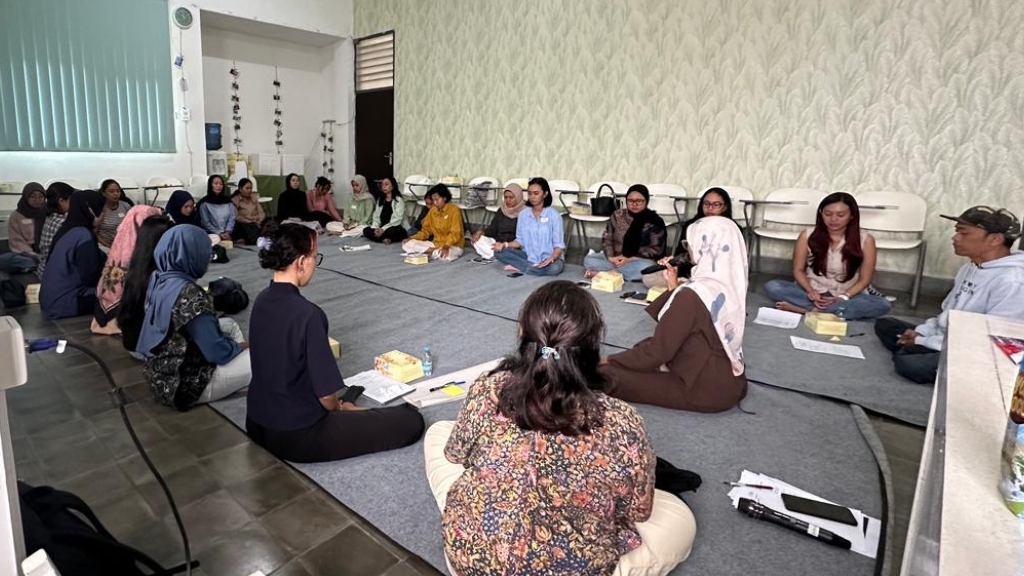
Originally developed for crisis and disaster settings, Psychological First Aid emphasizes:
- Safety
- Calming
- Connectedness
- Self-efficacy
- Hope
Research (Frontiers in Psychiatry, 2021) highlights that PFA reduces initial distress and supports adaptive functioning by prioritizing stabilization over forced emotional disclosure.
In parenting, this translates into:
- Observing emotional cues before reacting
- Listening actively without interruption
- Validating feelings before offering solutions
- Supporting gradual return to calm
- Delaying discipline until regulation is restored
Parents reflected on how these small shifts change the tone of family interaction from reactive to responsive.
3. Recognizing Stress Signals in Children
Participants discussed common signs of distress in children:
- Irritability or anger
- Emotional outbursts
- Withdrawal
- Changes in appetite or sleep
- Somatic complaints (headaches, stomachaches)
- Difficulty concentrating
The key takeaway: Behavior is communication.
Curiosity replaces judgment when we ask:
“What might my child be feeling underneath this behavior?”
4. Parental Self-Regulation as the Foundation
The session also included practical self-regulation tools for parents, such as:
- 4–6 breathing technique
- Grounding through sensory awareness
- Naming one’s own emotion internally
- Brief pauses before responding
- Supportive self-talk
Self-regulation was reframed not as emotional suppression, but as emotional management — choosing intentional responses instead of impulsive reactions.
Parents shared reflections about how their own stress patterns influence household dynamics, and how regulation can transform the emotional climate of the home.
Applying Psychological First Aid in Everyday Parenting
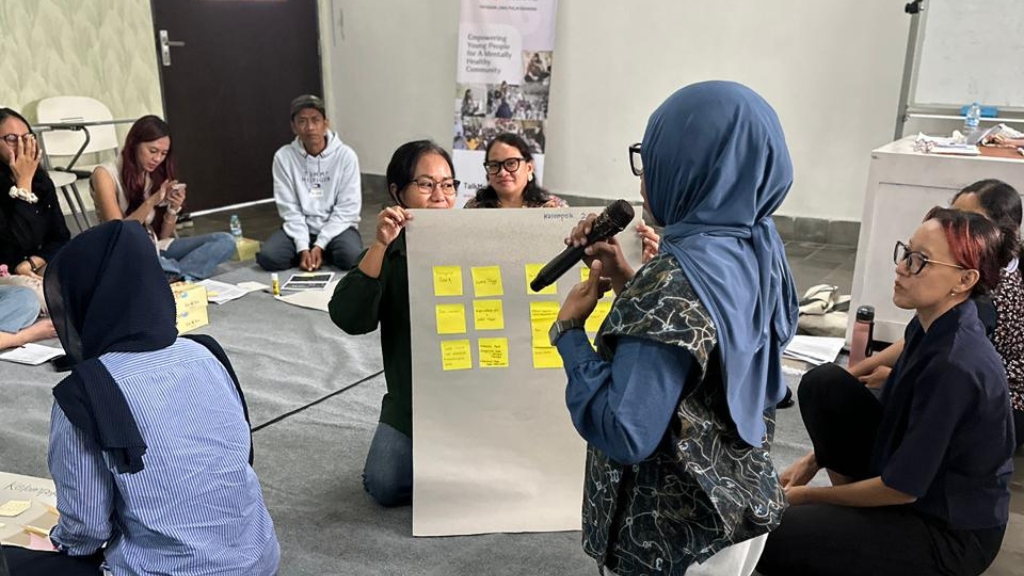
This parenting session was not about perfection.
It was about awareness.
Children will inevitably experience frustration, fear, and disappointment. What strengthens resilience is not the absence of stress — but the presence of a regulated adult.
Emotional safety is built through repeated experiences of being seen, understood, and supported.
When parents regulate first:
Children feel safe.
And when children feel safe, learning and growth become possible.
Building a Culture of Psychological First Aid at Home
Emotional safety is not a one-time intervention. It is a culture.
A culture where feelings are acknowledged before being corrected.
A culture where mistakes are met with guidance rather than shame.
A culture where calm responses are practiced, not expected to appear automatically.
During the session, many parents realized that emotional safety is not built through grand gestures but through consistency.
When children repeatedly experience being heard, validated, and guided with steadiness, they internalize a sense of security. Over time, this security becomes the foundation for confidence, resilience, and relational trust.
Home then becomes not only a place of rules but a place of emotional refuge.
Psychological First Aid Builds Secure Children
Parenting does not demand perfection.
It asks for presence.
In moments of emotional intensity, children do not primarily need solutions.
They need steadiness.
The session reminded us that regulation is contagious — just as dysregulation is.
A calm tone, a softened posture, a brief pause before responding — these are not small gestures. They are powerful signals of safety.
Psychological First Aid in parenting is not a technique to control behavior.
It is a relational practice to restore emotional balance.
When parents learn to regulate first:
They model resilience.
They teach emotional literacy.
They strengthen trust.
And over time, children internalize this stability — developing the capacity to regulate themselves with greater confidence.
Emotional safety at home is not built in one conversation.
It is built in repeated, everyday moments of attuned presence.
Because ultimately, regulated parents raise secure children.
And secure children grow into resilient adults.
We invite you to deepen your learning by downloading our free zine, designed to support reflective and conscious parenting practices.
Let us learn, reflect, and grow together because parental regulation is the foundation of a child’s security.